5 Steps to Event Marketing Success
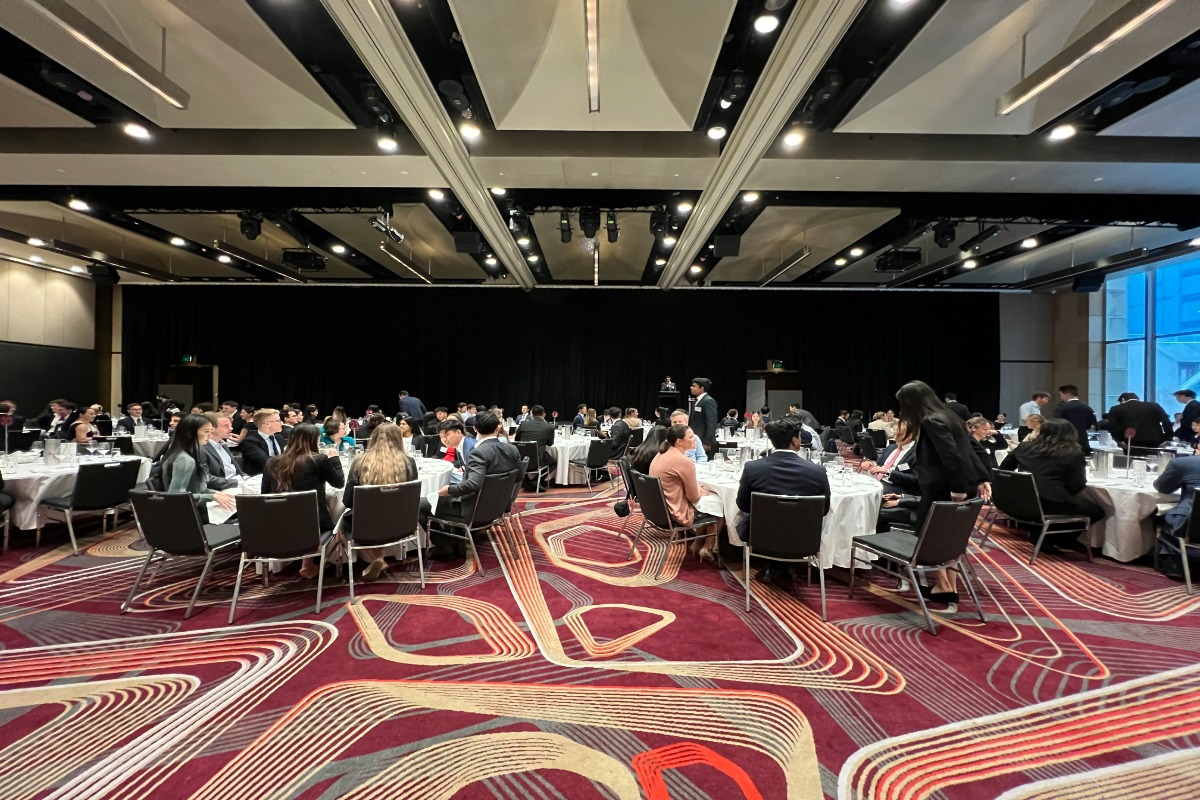
Photo Credit: Unsplash / Andy Wang
Skift Take
Marketing should never make people feel marketed to. They should feel like you are providing value and they want to be a part of that.

A solid marketing plan contains a lot of moving parts but when stitched together into a cohesive strategy, it is incredibly effective at increasing the number of attendees at your event. When done well, marketing should appear friendly and flawless. People shouldn’t feel marketed to. They should feel like you are providing value and they want to be a part of that.
Following are 5 keys to a successful marketing plan:
1. Establish Your End Marketing Goal for the Event
Goals should always be SMART:
- Specific
- Measurable
- Achievable
- Results-focused
- Time-bound
Some ideas may include:
- Increasing attendee numbers by 5% over last year.
- Increasing course sales at the event by 15% on the first day of the conference.
- Improving brand recognition by 10% by end of conference.
- Improving Net Promoter Score of the client.
Explore the Skift Meetings Toolkit
Level up your skills in minutes and start streamlining the way you plan meetings and events.
Hundreds of articles in nine key categories: Accessibility & Inclusion | Budgeting & Cost Savings | Careers & Personal Development | Contracts & Duty of Care | Event Technology | Ideas & Inspiration | Logistics & Operations | Marketing & Promotions | On The Road
2. Note Where You're Starting From
With events, it’s important to have solid analytics on what you’ve achieved in the past. Without knowing how many attendees you had last year, how can you achieve your goal to increase the number by 5%? Instead, gather this year’s goal and the numbers associated with last year’s event and you have your starting point. Now you know what kind of work is involved in getting to your goal.
3. Know Your Ideal Attendee
Effective marketing is highly personalized these days and it’s impossible to personalize an approach if you don’t know your audience. Create attendee personas of the type of person who comes to your events by analyzing your past attendee data. You can create more than one persona, but if you have too many that suggests not really understanding your core audience.
Once you name this persona, begin sketching out the detail of that person’s life such as:
- Age
- Gender
- Salary
- Education level
- Occupation
- Interests
- Challenges
- Connections
Once you know who your attendees are, you can easily figure out where they are online, using social media demographics. For instance, a large percentage of Instagram users are under 35. If you’re marketing an event to Baby Boomers, unless it’s a photography event, you can probably avoid Instagram if you have limited time and resources.
4. Plan Your Route to Your Event Goal
Now that you know where you’re starting from, where you’re going, and who you’re trying to reach, you need to figure out all the details. First, marketing should never occur just a few days before registration opens and close when everyone checks in. Marketing your event should be an ongoing activity for you.
An event brings together a community of like-minded or like-interested people. If you don’t capitalize on that, you’re missing an opportunity. So let’s talk about the elements of a solid marketing plan. You’ll want to include the following based on the preferences of your ideal attendee:
- Email marketing. This begins with email invites to your event but can be so much more than that. You can use email to send e-newsletters keeping everyone in touch on event dates throughout the year such as calls for speakers, registration openings, etc. Email can also be used for drip marketing. One brilliant example of that is creating a drip marketing campaign for those who have signed up to attend. Send them information about the event and the host city every week or so. Not only will they get excited, but they’ll also be likely to talk about it on social media.
- Crank up the content machine. Featuring worthwhile content (according to your ideal attendee) on your website allows you to reach interested people when you’re not at the office. Your content can be feeding people and the search engines even when you’re not working. You can use your content in social media postings, as part of your newsletter, and in your email marketing. Plus, your content gives your audience something to share with their tribe, making them look like in-the-know experts.
- Social media. In addition to that awesome content you’ve created and posted to social media, you also want to have conversations with people on these platforms and listen for conversations about your event. Join them in a natural way. Make helpful suggestions when you can and look to be of value. Do not hard sell anyone.
- Public relations. What press releases need to be written and sent out?
- Storytelling. Help your attendees share their stories. Tell yours and don’t forget your sponsors. Storytelling is highly effective in motivating people to perform an action, like buying a ticket.
- Influencer marketing. This is the part where you reach out to influencers in your industry for endorsements, blog post testimonials, or affinity programs where you give them a discount and a limited number of tickets. They will then get a commission or a portion of the ticket sales that they sell.
- Referral marketing and repeat attendees. You can also give discount codes to people who refer friends or discounted tickets for people who have attended in the past. This is your strongest base of attendees so playing up to their loyalty is a good move.
A complete marketing plan will also include tactics while you’re at the event as well as community-solidifying activities afterward. If you keep your audience interested throughout the year, you’ll never have to ramp up again. Plus, constant interest means more people watching for registration to open and a larger number of early sign-ups.
Whatever marketing tactics you use, you want to personalize them to your audience. Use their names in communications and mention past activities or guest history to make them feel like they will be missed if they’re not in attendance.
5. Analyze the Effectiveness of Your Results
Only marketing plans are perfect. Once they leave the sheet of paper or screen and are implemented, that’s when the analysis must be performed to see what can be improved upon.
But don’t leave analysis as part of the recap after the event. The effectiveness of marketing is predicated on your ability to adjust things as you’re going. If you wait until the end, you don’t have the ability to change something that may have helped you reach your goal. Things move too quickly to leave it all to a final assessment.
Speaking of final assessment, take some time after the event is over to measure whether you met your goal. If so, what worked well for you? If not, what could you have done better? Don’t cheat yourself out of this crucial review time. It’s essential to your success next year to spend some time talking about this one.