
World Cup's Triple Threat: Security, Heat, and Disease

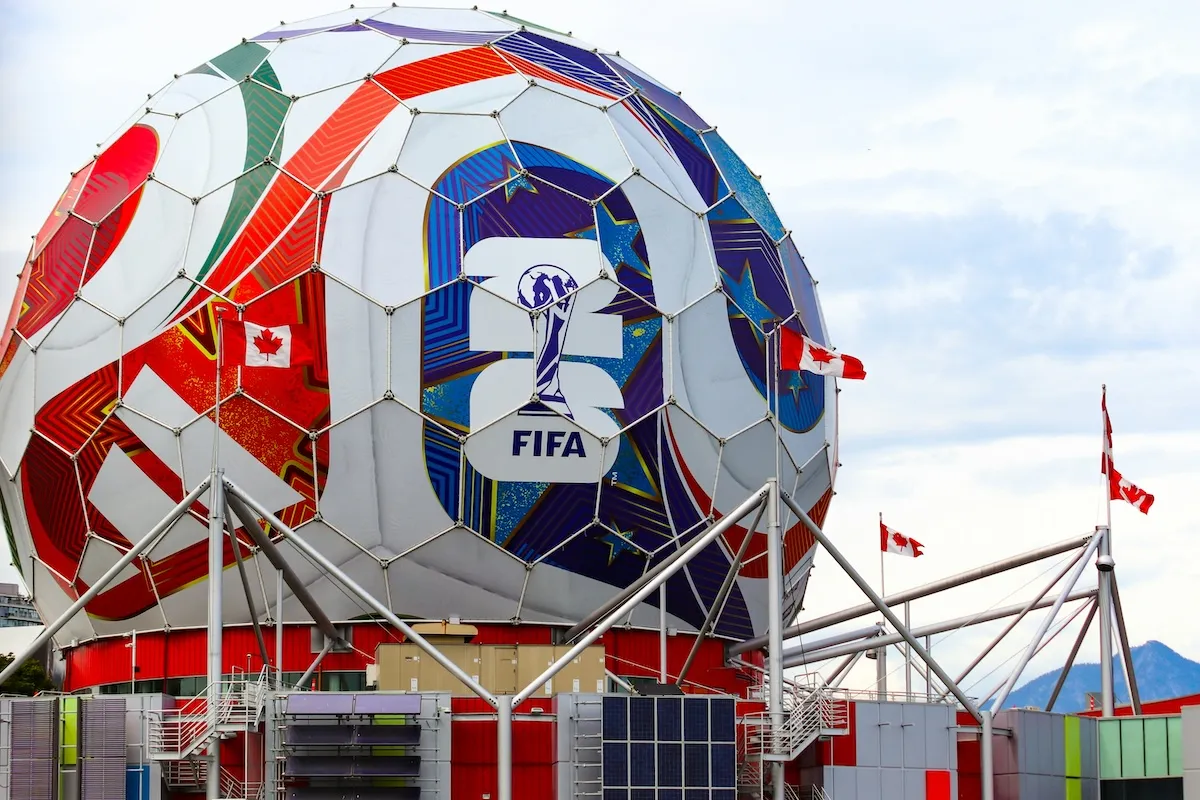
Photo Credit: Vancouver, B.C. Unsplash / Anthony Maw
Skift Take
Though organizers have announced strategies for every possible contingency, from drone attacks to food poisoning — the biggest of all is the weather.

The FIFA World Cup 2026 tournament will bring 48 teams from around the globe together to compete in 104 matches across the U.S., Canada, and Mexico, starting on June 11 and running through July 15.
Most medical emergencies at major sporting events are far from exotic or unexpected — things like heart attacks, dehydration, falls, or people passing out from drinking too much.
However, this event is different, because of its scale and specific potential threats, including drone strikes and disease, that have emerged.
Unlike previous years where tournaments were concentrated in a single country, this year’s event will operate across 16 cities in three countries, each with unique security environments, infrastructure challenges, and operating conditions, said Dylan Evans, security director, assistance, at International SOS.
“The main concern we are seeing is not a single threat, but the combined impact of multiple factors,” he said. “Some of these risks include transportation disruption, protest activity, localized crime trends, large-scale crowd movements, and the logistical challenges of people traveling across cities and countries for the games.”
Security on High Alert
The World Cup has been classified as a National Special Security Event, similar to the Super Bowl. All aircraft, including drones, will be prohibited below 3,000 feet in altitude within a three-nautical-mile radius around all World Cup stadiums. Teams from the FBI and FAA will be on the ground to detect and intercept unauthorized drones, and violators will face $100,000 fines.
In Los Angeles, where the matches will be held at SoFi Stadium in Inglewood, all police officers have undergone counter-drone training after a strike on an LAPD helicopter in 2020 and a warning from the FBI earlier this year that Iran could send drones to the West Coast.
FIFA is implementing "last mile" security perimeters, pedestrian-only zones, and transit hubs located outside the official outer perimeter of all stadiums. Visitors will need to show their tickets to enter the security perimeter, and many parking lots will be fenced off to keep non-ticket holders away from the stadiums.
Though many hosted corporate groups will be in VIP suites, for those in the stadium, “crowd crush” is a risk. As a precaution, inside the perimeter, strategies will include crowd-monitoring technologies, fenced-off staging areas, and entry and exit precautions to prevent surges.
“While stampedes are rare, they remain among the most serious mass-casualty risks associated with large stadium events,” said Bill McIntyre, spokesperson at Global Rescue. “Situational awareness is one of the most effective safety tools.”
Hot, Humid Weather Expected
The biggest risk of all, many experts say, is the weather, with the games taking place in the heat of summer. In Atlanta, which is hosting eight matches at Mercedes-Benz Stadium and a month-long fan festival with crowds expected to hit 15,000 people daily, cooling stations will offer air-conditioning and hydration.
“We call Atlanta 'Hotlanta' for a reason," Dr. Marcus Plescia, district health director for Fulton County, told NPR. "It's going to be hot and humid here — so heat-related injuries are going to be an issue."
Heat can accelerate spoiling of food, so public health departments in some host regions, including Atlanta and New Jersey, will perform daily inspections of food vendors and monitor hospitals for any increases in foodborne illnesses.
Organizers will send precautions daily to ticket-holders, in multiple languages: “Wear a hat and sunscreen and hydrate when it's hot out. Bug spray and long sleeves help prevent mosquito bites. Stay home if you're sick.”
Disease Threat
With players and attendees traveling from all over the world, the spread of disease is a concern.
At the top of the list is measles. Not only is it highly contagious among people who haven't been vaccinated, but there already have been 30 U.S. outbreaks just this year.
Health officials will also be on the lookout for the flu, Covid, and West Nile virus, and stepping up wastewater surveillance for illnesses that could potentially be brought in from international countries, including dengue, chikungunya, and Zika.
The World Cup is taking place in the middle of an Ebola outbreak in the Democratic Republic of Congo and Uganda that the World Health Organization has designated as a “public health emergency of international concern.”
In response, FIFA is directly informing ticket holders from high-risk African nations about travel and health considerations. The U.S. has set up enhanced health screenings at a number of U.S. airports (Atlanta, Houston, New York, and Washington D.C.), where Centers for Disease Control and Prevention staff will survey individuals about their travel history and symptoms, check their temperatures, and collect contact information for follow-ups by state and local public authorities if needed. Individuals will be monitored for Ebola’s full incubation period of 21 days.
Dr. Shruti Gohil, the associate medical director for University of California, Irvine Health Epidemiology and Infection Prevention, said in a recent interview that the risk of contracting ebola “is not nonzero, but it’s low, very low, because it is not easy to transmit person to person.”