Planners are confronting a broader and more complex risk landscape, from violence and cyberattacks to fraud and workplace safety gaps. In response, a long-paused security coalition is being reactivated and expanded to reflect today’s threats.
The events industry has long treated security as a venue problem. A string of incidents is making it clear that planners can no longer afford that assumption.
Saturday’s shooting at the Washington Hilton is forcing planners to confront a difficult reality: even the most high-profile, heavily secured events are not immune to risk. Traditional approaches to event security may no longer be enough.
Heightened terrorism concerns linked to the Middle East conflict are prompting planners to increase security measures and coordinate more closely with law enforcement.
You might think the responsibility for the safety and security of VIPs at a meeting falls on the sponsoring organization – but planners are also partially liable.
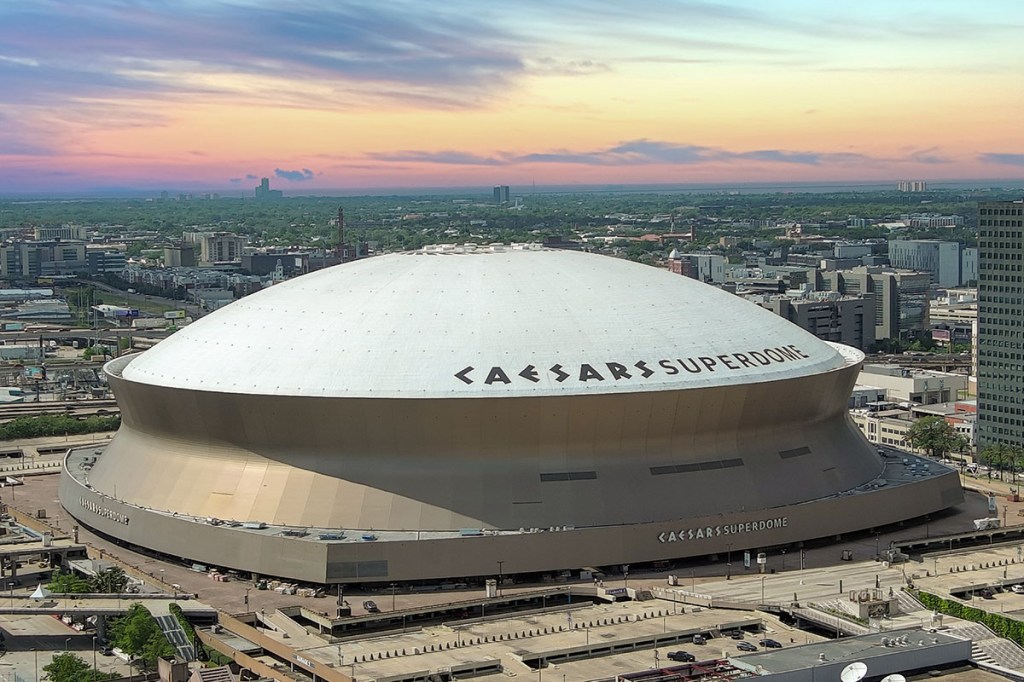
Postponing a major event like the Allstate Sugar Bowl, with over 68,000 tickets sold, is a logistical challenge. Following the New Orleans terrorist attack, the city had no choice and now looks ahead to the Super Bowl.
The killing of UnitedHealthcare CEO Brian Thompson took place outside a Midtown Manhattan hotel where he was attending the company’s annual investor conference. Should meeting planners be on high alert?