Tehran-Based Event Planner Grapples With Job Loss and Daily Uncertainty

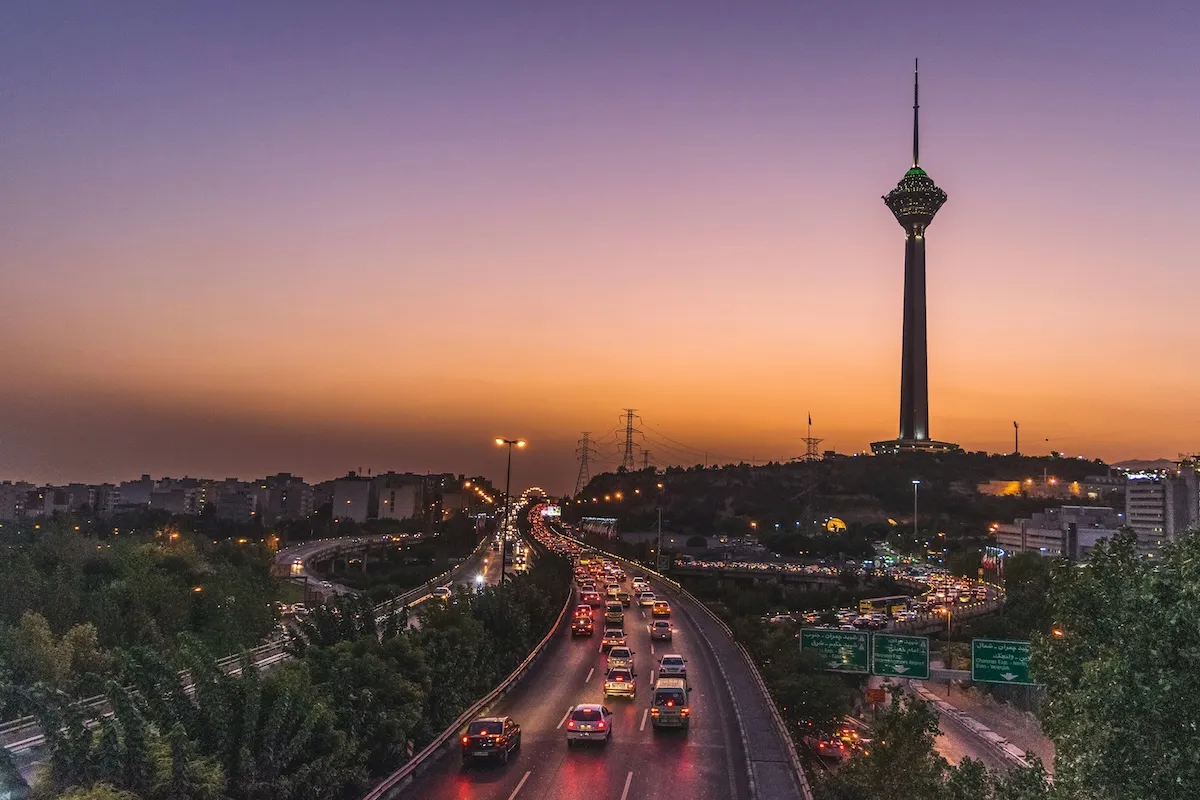
Photo Credit: Many of Tehran's residents are dealing with unemployment and continued uncertainty. Unsplash / Mohammad Amirahmadi
Skift Take
The renewed of bombing of Iran will only mean continued uncertainty for planners, who remain unemployed and under pressure.

Since the first bombing of the Iran war on February 28, Mitra Amiri and her colleagues in Tehran have been on edge. Now, the ceasefire appears to be crumbling and the U.S. has renewed its bombing, with President Donald Trump threatening to "hit the country hard."
No two days are ever the same.
Though the event manager’s former employer, Fourmind, is located near potential bombing targets, the office so far has not been damaged. But most of the firm’s planned projects have come to a halt.
“During times of crisis, events are usually among the first activities that organizations cancel or postpone,” Amiri said. “But in reality, this situation began after the first major military confrontation last year (with the Iran–Israel war in June of 2025).”
Since the April 8 ceasefire, she has already been living in a constant state of uncertainty. Many agencies have reduced their workforces, and freelancers and small teams have seen few projects come their way.
During the peak of the military tensions, the government prohibited all public gatherings for several weeks in order to reduce the risk of casualties, so hotels were not hosting events. Now it's possible that could happen again.
International internet access had just been renewed.
“It was impossible to communicate with people outside the country,” she said. “We still need VPNs to access many websites and social media platforms.”
Whether suppliers of goods and services will either partially or completely shuttered their operations once again due to safety concerns remains to be seen. During the previous bombings, the roads were unsafe and there were fewer willing drivers, transportation was interrupted, and GPS jammers in Tehran further increased the disruption of postal, taxi, delivery, and courier services.
Life Before the War
Fourmind is a full-service advertising agency and part of the communications and media holding company DNA Union. Before the war, the agency had around 70 full-time employees, as well as a network of freelancers.
Amiri originally found her role by connecting with the co-founders on LinkedIn. She already had a master’s degree and several years of experience in marketing. ”During that time, I had participated in several event projects, and those experiences helped me realize how interested I was in the industry.”
There is no official meetings industry association or regulatory body in Iran, and no university programs, training courses, certifications, schools, or institutes dedicated to event management. So she studied on her own, attended webinars, joined online meeting planner communities, took courses through the online Event Leadership Institute, and eventually earned her CMP certification.
At Fourmind, she was responsible for designing, planning, and delivering event projects for the agency’s clients, everything from developing strategy and creative concepts; to managing suppliers, volunteers, and teams; to event coordination. The clients were mainly companies in the consumer goods, fintech, digital platforms, and business services sectors. Most were Iranian brands, but there were also several multinational clients.
“We organized everything from product launches, marketing events, and training meetings, to internal HR events, annual report events, and rebranding projects,” she said.
Despite economic challenges, the events industry in Iran was growing before the war. “Many companies recognized the value of face-to-face communication and the role events play in building brands, engaging customers, and strengthening relationships with stakeholders.”
How Can the U.S. Meetings Industry Help?
Because of the high exchange rate between the U.S. dollar and the Iranian rial (currently around 1,800,000 rials to the U.S. dollar), meeting planners in Iran have limited purchasing power. The sanctions and the absence of services such as Amazon make it difficult to purchase professional books or access academic resources.
“Offering discounted or simplified access to educational materials, books, and event-related resources could make a significant difference,” Amiri said.
Organizations such as the Events Industry Council can’t operate in Iran, but she would like to see a non-profit channel that could help develop the Iranian event ecosystem. “This could include sharing experiences, publishing educational content, providing access to professional resources, making membership in communities easier or more affordable, offering online webinars, and helping professionals learn about and access international certifications such as CMP.”
Moving Forward
Since the ceasefire and the reopening of the stock market (which remained closed during the war), some venues have hosted annual shareholder meetings for large companies. But even though there were no longer any restrictions on events, there has been little demand from businesses and attendees.
“There is no reliable way to predict the outcome, and this affects both people’s personal lives and the way businesses operate. Right now, people are getting through this by relying on their savings, but that could change if tensions and war-related conditions continue for months.”
She remains unemployed, and under constant pressure financially and emotionally.
She has been trying to find work outside Iran. “I submitted my resume to many companies, but in many cases, I received a similar response: Hiring and visa processes for Iranian applicants are difficult or impossible.
“So at the moment, I spend most of my time preparing for the IELTS (International English Language Testing System) exam so that I can pursue immigration, either through employment or further education.”
Even as cities attempt to function and people try to maintain some semblance of normalcy, Amiri and her colleagues struggle with a daily sense of uncertainty — which has now been worsened by the renewed bombings. Her former company has been reduced to 10 employees. As she puts it: “This constant concern about the future and economic pressure have weakened people’s optimism and affected the spirit of everyday life.”