
As Europe Swelters, Event Organizers Face a New Reality: Heat Emergency Planning

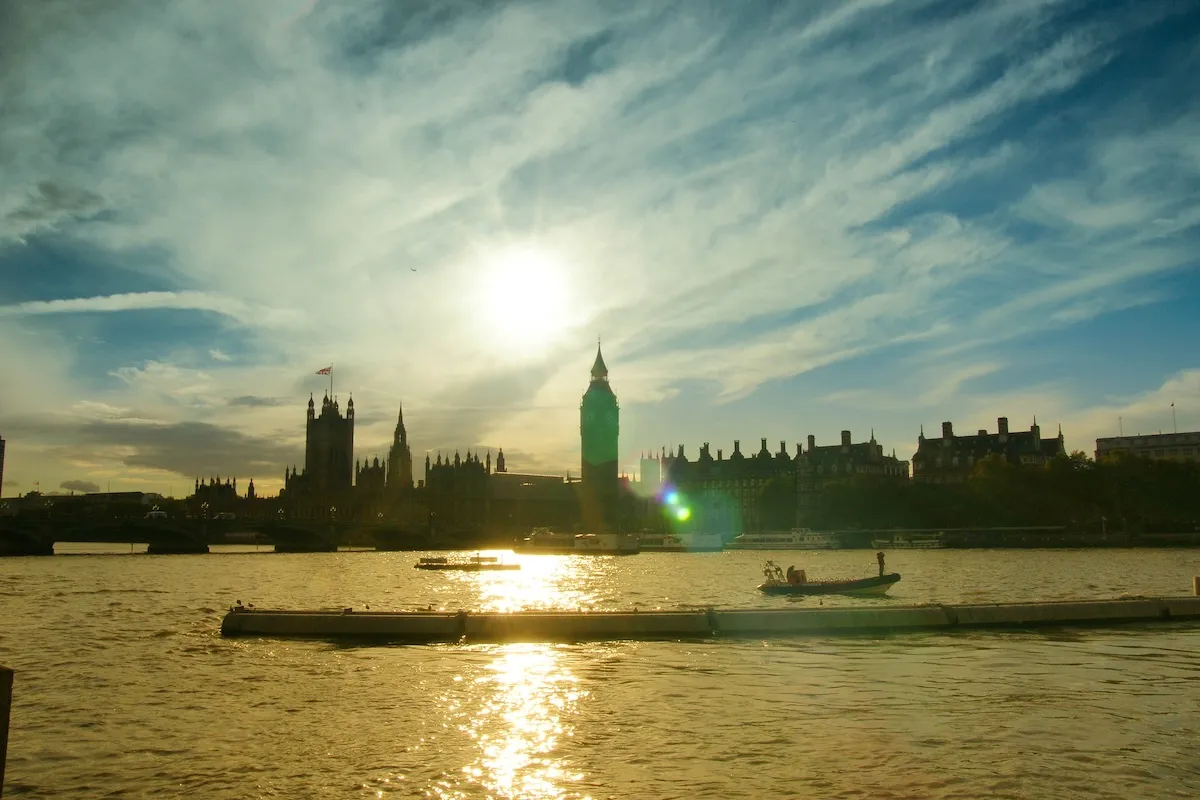
Photo Credit: London is experiencing a dangerous heatwave. envato
Skift Take
Europe's heatwave is forcing organizers to cancel events and rethink attendee safety in real-time. The question is no longer whether extreme heat will disrupt the events calendar; it's whether the industry has built the protocols to respond when it does.

Europe's latest heatwave is disrupting more than tourism and daily life. It is forcing event organizers to make difficult decisions about whether gatherings can proceed safely at all.
In London, the Zurich Climate Resilience Alliance canceled its annual Climate Action Week event after authorities issued a red warning for extreme heat. The irony was hard to miss: The gathering was designed to bring together climate professionals to discuss resilience and adaptation.
A spokesperson for the alliance said organizers could not justify exposing attendees to potentially dangerous conditions.
Meanwhile, in Madrid, the Royal Spanish Football Federation canceled a World Cup fan zone and public viewing event in Plaza de Colón due to forecast temperatures approaching 39 degrees Celsius (102 degrees Fahrenheit). The decision was made for public health and safety reasons.
Both cancellations made headlines. But for Shawna McKinley, principal at Clear Current Consulting, they reflect a broader preparedness gap the industry has been slow to close.
"Organizers are put in a position to set their own thresholds in most cases," McKinley said, noting that guidance varies significantly by jurisdiction and that no universal standard governs heat response at events.
Heat Events Are an Operational Risk
That lack of consistency presents a growing challenge as extreme heat becomes more common across Europe and other regions. Unlike storms or hurricanes, where organizers often have established emergency protocols, heat events have historically been treated as an inconvenience rather than a serious operational risk.
McKinley argues that approach is no longer sufficient.
Temperature alone does not determine risk, she said. Humidity, direct sun exposure, physical activity levels, and attendee demographics all influence how dangerous conditions become. Older attendees, children, outdoor workers, and individuals with underlying health conditions can face elevated risks.
Timing also matters. Early-season heat waves often carry greater danger because attendees and event staff have not yet acclimatized to higher temperatures. Multi-day heat events can create cumulative exposure that traditional planning frameworks may not adequately address.
"The forecast temperature doesn't tell the whole story," McKinley said. "Humidity and duration of exposure are critical factors."
Heat-Response Planning Imperative
For organizers, the implications are increasingly practical.
Heat-response planning now requires many of the same elements long associated with other emergency preparedness efforts. Experts recommend establishing clear temperature or heat-index thresholds in advance that trigger specific operational responses, such as increasing hydration resources, activating cooling areas, modifying schedules, relocating activities indoors, or canceling programming altogether.
Those decisions become more difficult when contingency plans have not been developed before an event begins.
"If you're trying to identify alternative venues or make operational decisions during the emergency itself, you're already behind," McKinley said.
On-site mitigation measures can include expanded hydration stations, shaded rest areas, cooling tents, misting stations, and additional medical personnel. Organizers may also shift outdoor programming away from peak afternoon temperatures and adjust food and beverage offerings to encourage hydration.
Staff training is equally important. Event teams should be able to recognize signs of heat exhaustion, dehydration, and heat stroke in both attendees and fellow staff members.
Tools to Help
While resources exist, guidance remains fragmented.
YOUROPE, the European Festival Association, offers weather preparedness and resilience tools for outdoor events. In Canada, organizations such as Actsafe Safety Association and Island Health provide heat-safety planning templates and exposure-control frameworks. The Event Safety Alliance also includes weather preparedness considerations within its guidance.
What remains largely absent is a unified framework that planners can apply consistently across jurisdictions.
That gap is becoming more visible as climate-related disruptions increase.
For many organizers, the conversation is expanding beyond attendee comfort to broader business continuity concerns. Heat emergencies can affect staffing, venue operations, insurance considerations, transportation systems, and attendee participation. Contingency budgets that once focused on severe storms or other weather events increasingly need to account for extreme heat as well.
The current heatwave offers a reminder that climate adaptation is no longer a future planning exercise for the events industry. It is becoming a day-to-day operational requirement.
As organizers review emergency plans for upcoming events, heat is moving onto the same planning checklist as severe weather, security incidents, and evacuation procedures.
The question is no longer whether extreme heat will disrupt events. It is whether organizers have built the protocols to respond when it does.

.jpg)