
Hawaii Convention Center Funding Falls Short

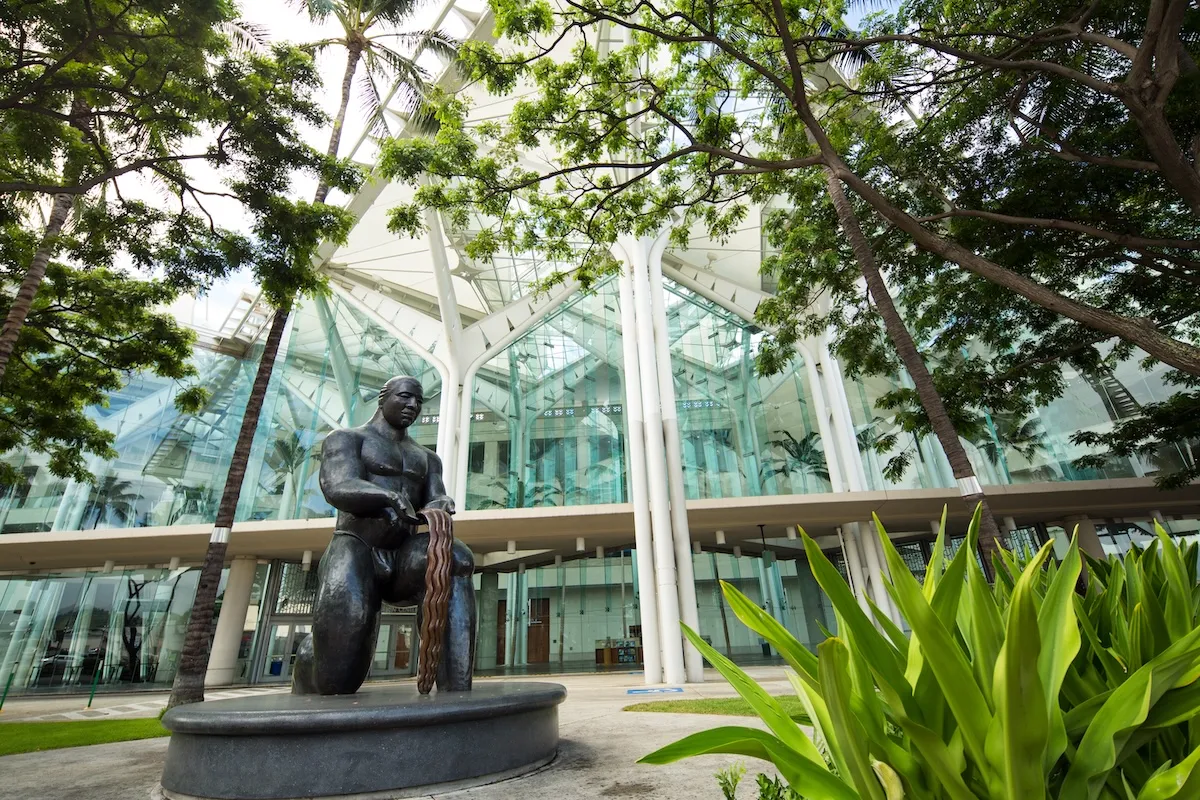
Photo Credit: Hawaii Convention Center is closed as it is in the midst of renovations. Hawaii Tourism Authority
Skift Take
As convention centers nationwide reinvent themselves, Hawaii risks reopening with a facility that's repaired but not fully ready to compete.

Nearly 20 modernization projects at the Hawaii Convention Center have been put on hold after state lawmakers declined a $55 million funding request, forcing the venue to prioritize critical infrastructure repairs over modernization updates, according to Island News.
The center will fix its most pressing infrastructure problems during its current closure, but many of the improvements designed to enhance the attendee experience will have to wait until additional funding becomes available.
The setback comes as convention centers across the U.S. are investing heavily in expansions, technology upgrades, and new revenue-generating spaces to attract meetings and conventions in an increasingly competitive market.
Repairing the Basics
The Honolulu convention center, which opened in 1998, has struggled with roof leaks and water intrusion for years, creating operational challenges and visible maintenance issues during events.
State officials approved $21 million from the facility's special enterprise fund to repair the center's problematic transom glass roof, allowing work to proceed during the current closure that began January 2, 2026.
But many of the upgrades event organizers would actually notice, including new carpeting, refreshed interiors, upgraded digital signage, and enhanced food-and-beverage spaces, have been deferred.
“While the legislature did not fully fund the $55 million request this past session, it’s important to recognize that, over the last three years, 2024–2026, approximately $121 million has been invested in the facility, the largest level of investment since it opened in 1998,” said Caroline Anderson, interim president and CEO of the Hawai‘i Tourism Authority.
Competing Against Newer Convention Centers
The funding shortfall comes at a time when convention centers are increasingly competing on experience, not simply square footage.
Destinations including Nashville, Columbus, Orlando, and Las Vegas are investing hundreds of millions of dollars in expansions, technology enhancements, flexible meeting spaces, and adjacent hotel development. Many projects are supported through tourism taxes, tax increment financing districts, and public-private partnerships.
Hawaiʻi, by contrast, is spending much of its current investment fixing decades-old infrastructure rather than adding the amenities many competing destinations are using to win business.
The result is a bigger question for the events industry: Will a convention center that reopens structurally sound, but without many of its planned guest-facing upgrades, meet the expectations of meeting planners comparing destinations years from now?
Convention centers typically undergo major reinvestment every eight to 12 years to remain competitive. By the time Hawaii Convention Center reopens, it will be nearly 30 years old.
Business Already Lost
The prolonged renovation has already cost the destination one of its highest-profile conventions.
Rotary International withdrew plans to hold its 2027 convention in Honolulu after the convention center pushed its reopening to January 2028, making the venue unavailable for the organization’s June event.
The loss represents a significant missed opportunity. Rotary's 2025 convention in Calgary attracted approximately 16,000 attendees from 140 countries.
Rotary’s relationship with Honolulu is a bumpy one. The 2020 convention was planned for the Hawaiian city, but was canceled due to the Covid pandemic.
Hawaiʻi Tourism Authority officials say customers have remained supportive throughout the renovation process.
“Meet Hawaii and the Hawaii Convention Center have maintained proactive communication with our customers throughout the renovation process, providing regular updates as construction progresses,” Anderson said. “The additional capital improvement projects currently under consideration do not impact the facility’s ability to successfully host meetings and conventions.”