Anaheim Grew Up — and Meeting Planners Are Noticing
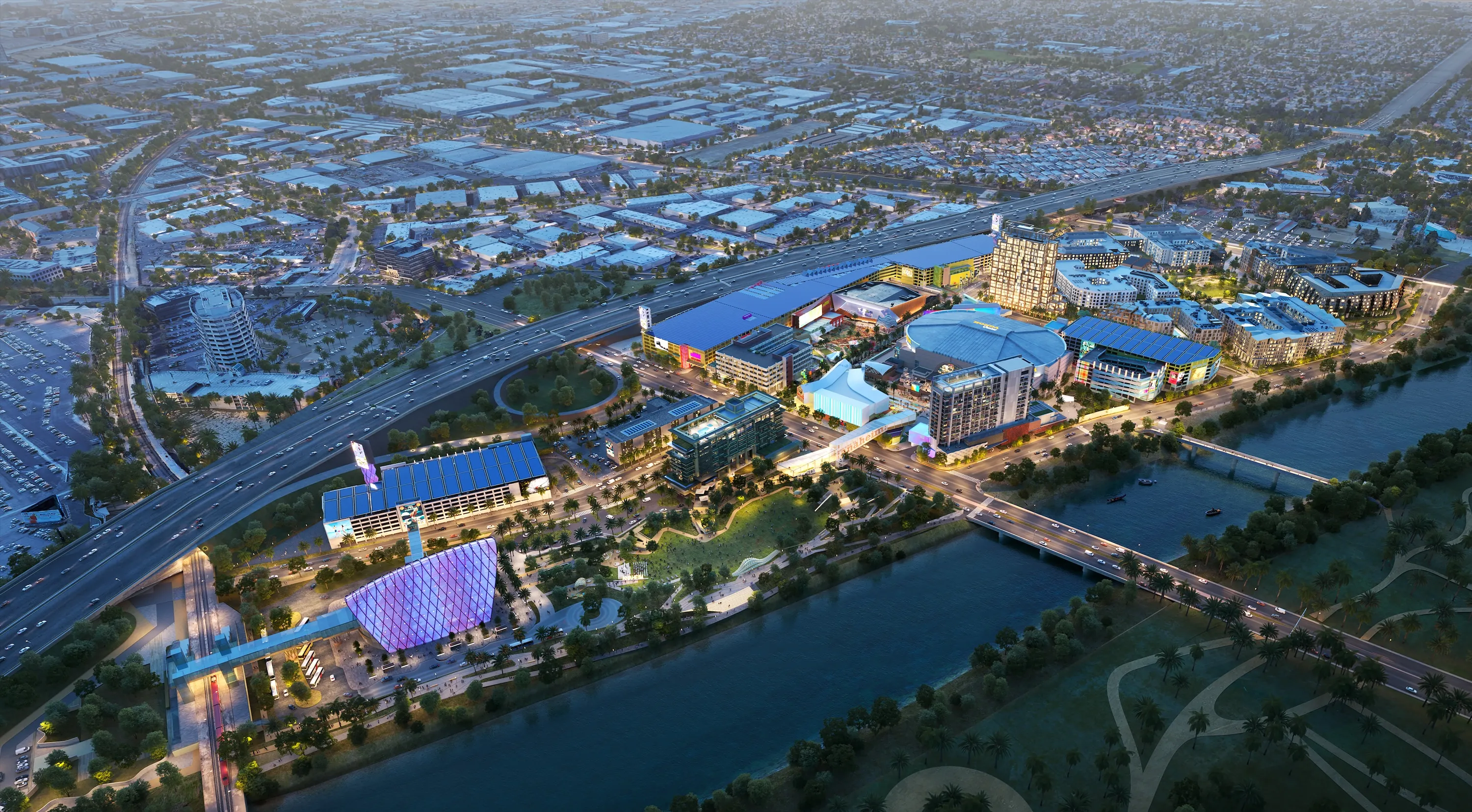
Photo Credit: OCVIBE rendering. OCVIBE
Skift Take
If you haven’t been to Anaheim in the past year, you’re in for a serious surprise. The home of Disneyland has expanded beyond its family-friendly reputation with a sophisticated identity that appeals to groups seeking a more mature experience.

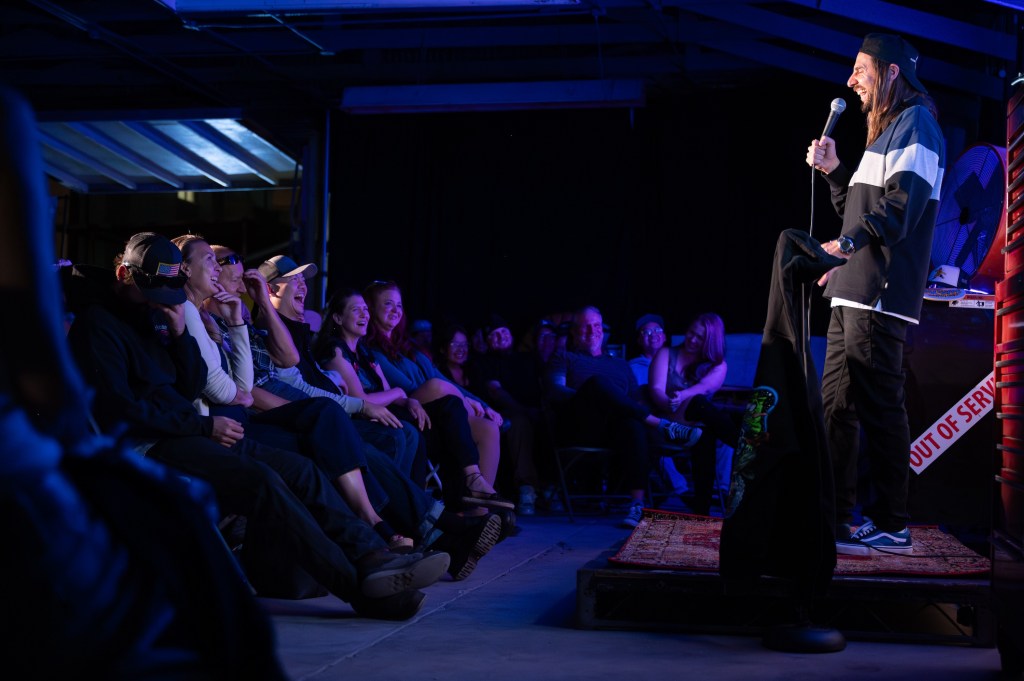
When fans purchased tickets for “Stand Up, Chow Down: An Anaheim Experience,” a first-of-its-kind southern California comedy festival, their confirmation emails lacked one important detail: the exact location of the show. That missing piece was an intentional part of the event's magic. On the first weekend of April, more than 40 comedians performed a collection of sold-out shows scattered across a compact three-block festival footprint in the Anaheim Packing District.
Many meeting planners may not even know the Anaheim Packing District exists. That’s because, historically, the city has been famous for one thing: the “Happiest Place on Earth.”
Scott Oklin, chief marketing officer at Visit Anaheim, said the Disneyland Resort, which recently earned the honor of the best value attraction from Travel + Leisure and is in the early stages of the ambitious DisneylandForward project, is an incredible anchor. As the park builds on its success, Oklin highlighted that the city surrounding it is also continuing to evolve into a larger ecosystem.
Now, planners who have questioned whether the kid-friendly environment will suit their attendees can feel confident in Anaheim’s ability to deliver a well-rounded experience — without ever passing through the park gates.
“It’s the ‘Disney and’ story,” he said.
There’s a lot to unpack in that ‘and,’ which is a key driver behind Visit Anaheim’s decision to launch a reimagined brand positioning that captures the elevated sense of sophistication.
“It is a citywide transformation spanning sports, entertainment, infrastructure, culinary growth, meetings investment, and cultural identity, all accelerating together,” Oklin said. “Anaheim isn’t just adding new assets. It is redefining what a modern destination can look like.”
The push beyond Disneyland is playing a pivotal role in attracting more group business. The momentum is being driven by something harder to quantify than square footage: a city where residents are genuinely invested in contributing to what’s happening around them.
“Anaheim has deep cultural roots and neighborhoods where locals gather, whether that’s at the Packing District, Center Street Promenade, a Ducks game, or a local brewery on a Friday night,” Oklin, who has also called Los Angeles, Pittsburgh, Washington, D.C., and Miami home, said. “It feels collaborative and welcoming in a way that many larger destinations lose as they grow.”
The Anaheim You Haven’t Discovered — Yet
As Anaheim maintains its sense of approachability, the city is adding an edge that puts it on par with many of those bigger convention cities. The walkability of Stand Up, Chow Down: An Anaheim Experience mirrors the kind of energy that attracts attendees to Austin for SXSW and Miami Beach for Art Basel. Organizers prioritized creativity for their mystery venue selection, leaning into unexpected spaces such as an industrial auto body shop transformed into an entertainment destination. The surprise element was part of the experience, which also included a mix of chef-driven activations, food trucks, and outdoor gathering spaces.
“We intentionally used venues that reflect Anaheim’s personality and cultural evolution,” Oklin said. “The festival demonstrated that planners here can build events that feel highly experiential, authentic, and distinctly tied to the destination. Attendees will feel grounded in what only Anaheim can do.”
He added that new large-scale resort blocks, immersive entertainment districts, and private event venues offer a new level of flexibility for “groups to shape the environment around their attendees rather than simply placing them in it.”
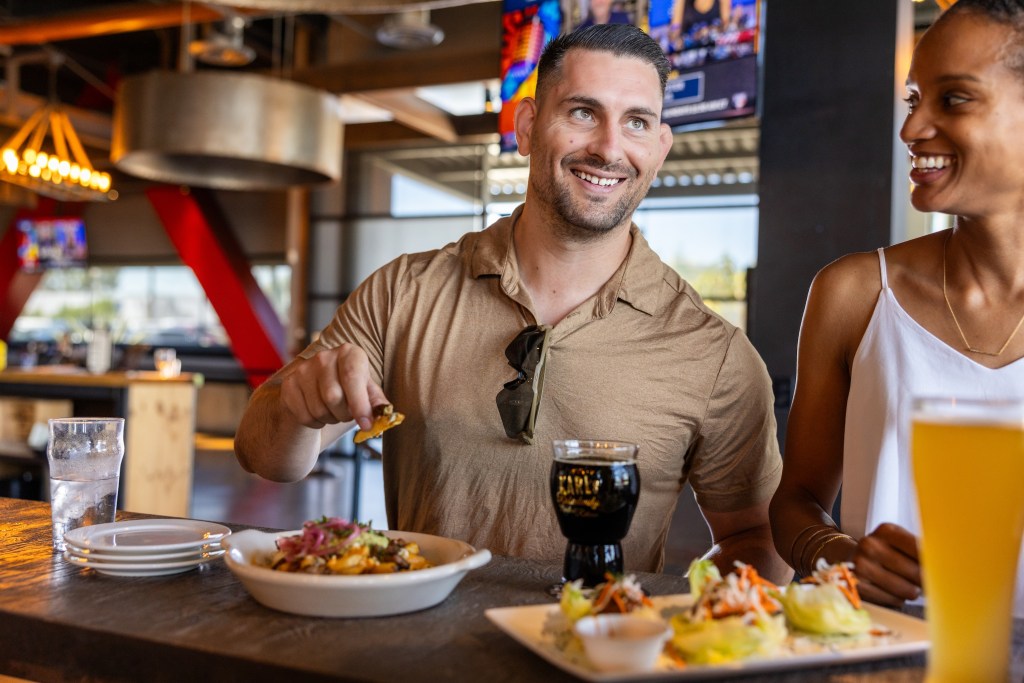
In addition to enhanced group programming options, Anaheim has expanded its portfolio of late-night destinations. Rooftop bars such as The Parkestry at the JW Marriott, Anaheim Resort and The FIFTH offer upscale settings for casual networking, while spots like the basement speakeasy Blind Rabbit and James Beard-nominated tiki bar Strong Water can make attendees question whether they’re in Anaheim or have been transported to West Hollywood.
“If you haven’t been here in the last year, you haven’t seen the new Anaheim,” Oklin said. “That’s how rapidly we’re evolving.”
The Evolution Continues: OCVIBE
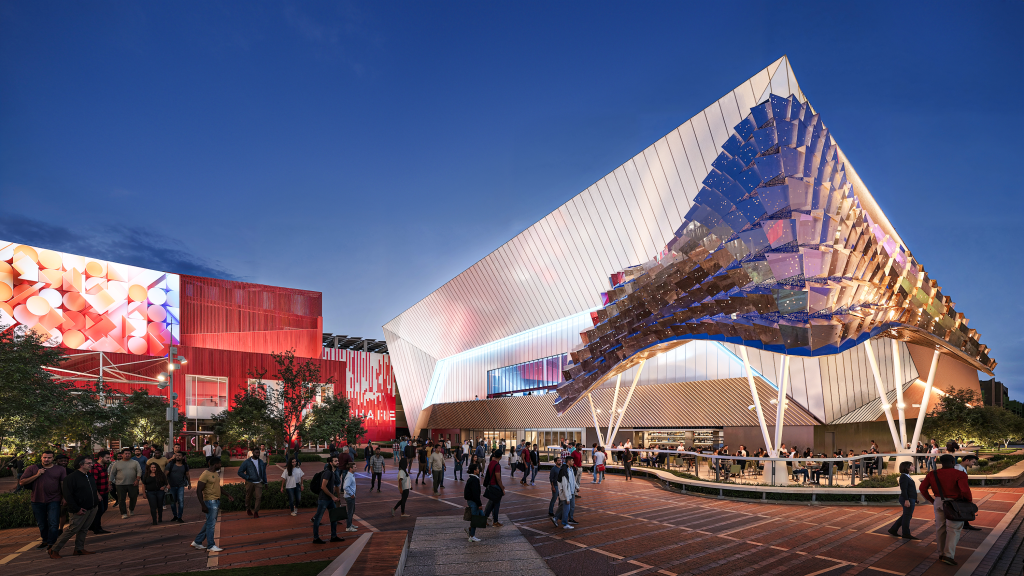
Planners who wait another year will be in for an even bigger surprise when OCVIBE, a $4 billion, 100-acre mixed-use cultural hub, opens its doors just in time for Anaheim to serve as the official host for indoor volleyball at the 2028 Summer Olympic Games.
The district “will fundamentally reshape how people experience Anaheim,” according to Oklin. OCVIBE’s new venues can accommodate a wide range of group sizes — from 300 attendees for a VIP banquet at The Loft, an indoor-outdoor lounge, to more than 17,000 for a performance at Honda Center, where $1 billion of enhancements include a new 50,000-square-foot indoor-outdoor gathering space and renovations to all luxury suites. And when the reception's closing hour arrives, attendees will have more reasons to stick around.
“Instead of dispersing after convention programming ends, there will be a much stronger sense of place and energy extending into the evenings,” Oklin said.
There will be a much stronger sense of taste, too. The first phase of OCVIBE includes Katella Commons, a collection of 21 chef-driven concepts and six bars and lounges. It’s a natural extension of the city’s rise as a culinary center with MICHELIN-recognized destinations like THE RANCH Restaurant and Saloon and Poppy and Seed.
OCVIBE will welcome its first guests in 2027, but there’s even more to come with plans for 2028 and beyond, including a 2,000-capacity theater, an intimate music venue called The Golden Bear, and multiple outdoor plazas for open-air programming.
“Planners who book in the next 12 to 18 months are getting in at the beginning of a long-term transformation,” Oklin said. “They’ll be able to layer their programs onto something that is actively coming to life around them. This is the beginning of the next chapter of events — one where a more immersive attendee experience will feel like the entire city is part of the program.”
What to Do Next
Anaheim’s calendar will fill up fast as OCVIBE gears up for its official opening, crowds descend on Southern California for the 2028 Olympics, and the city continues its usual pace of mega-events such as NAMM, Natural Products Expo West, and VidCon.
Sign up for the Visit Anaheim newsletter to be the first to know about what’s on the horizon, including opening dates, hotel news, and attendee experiences. And if you’re actively working on a program for 2027 and beyond, submit an RFP to see how your group can take advantage of being an early adopter for OCVIBE.
This content was created collaboratively by Visit Anaheim and Skift Studio.