How Beach Destinations Are Delivering More for Today’s Meetings

Photo Caption: photo credit: Fort Myers - islands, beaches, and neighborhoods
Skift Take
For planners under pressure to deliver stronger engagement and clearer ROI, destinations like Fort Myers - Islands, Beaches and Neighborhoods are expanding the role of beachfront meetings beyond passive relaxation into more active, experience-driven programming. Think manatee-spotting kayaking tours for team building, outdoor breakout sessions at the former homes of Thomas Edison and Henry Ford, and more.

Selecting a beach destination for a conference comes with obvious upside: Most attendees are eager to pair their professional responsibilities with a desirable setting and the calming soundtrack of ocean waves. But strong attendance and engagement now depend on more than ocean views alone. As expectations rise, more meeting planners are evaluating the full destination — not just the beachfront — to ensure they can deliver a well-rounded program that balances experience, learning, and measurable outcomes.
When they put the islands, beaches, and neighborhoods of Fort Myers into consideration, planners are discovering that the 50 miles of white-sand shoreline represent only one part of a broader program design opportunity. “Many first‑time visitors arrive anticipating a simple beach getaway, but they quickly discover much more,” Natalie Duran, director of sales, Fort Myers - Islands, Beaches and Neighborhoods, said.
The “much more” reflects how planners are using the destination and goes beyond being a selling point. It’s a lesson Duran — a Southwest Florida native and a Fort Myers resident for nearly a decade — knows well. “The region blends natural beauty, rich history, and unique venues that give planners creative options beyond the traditional meeting space,” Duran said. “Planners often come for the beaches, but they return because of the variety of experiences they can build into a program.”
Networking That Happens Naturally
Those experiences all involve the Fort Myers area’s most valuable asset: nature. The region includes more than 100 barrier and coastal islands, mangrove estuaries, and wildlife refuges. For planners, that means designing natural environments where attendees can develop meaningful connections organically.
Duran points to a recent group that spent the bulk of their time outdoors across multiple settings: an opening reception on the lawn at Pink Shell Beach Resort & Marina, a downtown Fort Myers scavenger hunt, and a celebration at the spring training complex where the MLB’s Minnesota Twins and Boston Red Sox play.
“Even the one-on-one appointments incorporated both indoor and outdoor spaces, creating natural opportunities for connection throughout the event,” Duran said.
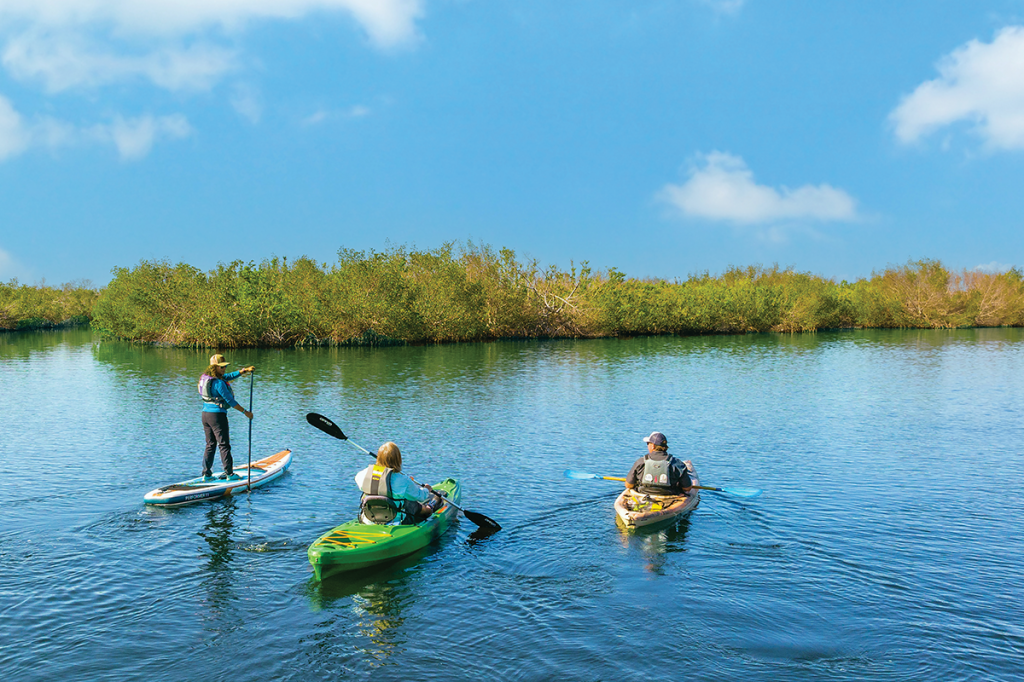
In addition to plenty of environments for traditional reception-style gatherings, meeting planners can take advantage of the 190-mile Calusa Blueway Paddling Trail. Hopping in a kayak with another attendee to spot dolphins, manatees, and hundreds of bird species creates shared, small-group experiences that can lead to stronger connections and more sustained engagement throughout the event.
“Outdoor experiences create a natural environment for conversation and relationship building,” Duran said. “Activities such as dolphin watching, kayaking, or beach team building activities help break up traditional conference formats and give attendees a chance to recharge.”
Outdoor Environments to Help Reimagine Education
With more than 230,000 square feet of meeting space across the city and more than 15,000 hotel rooms, Fort Myers supports traditional conference formats at scale. However, when meeting planners are ready to explore alternative environments, Fort Myers’ collection of outdoor spaces extend how and where learning happens.
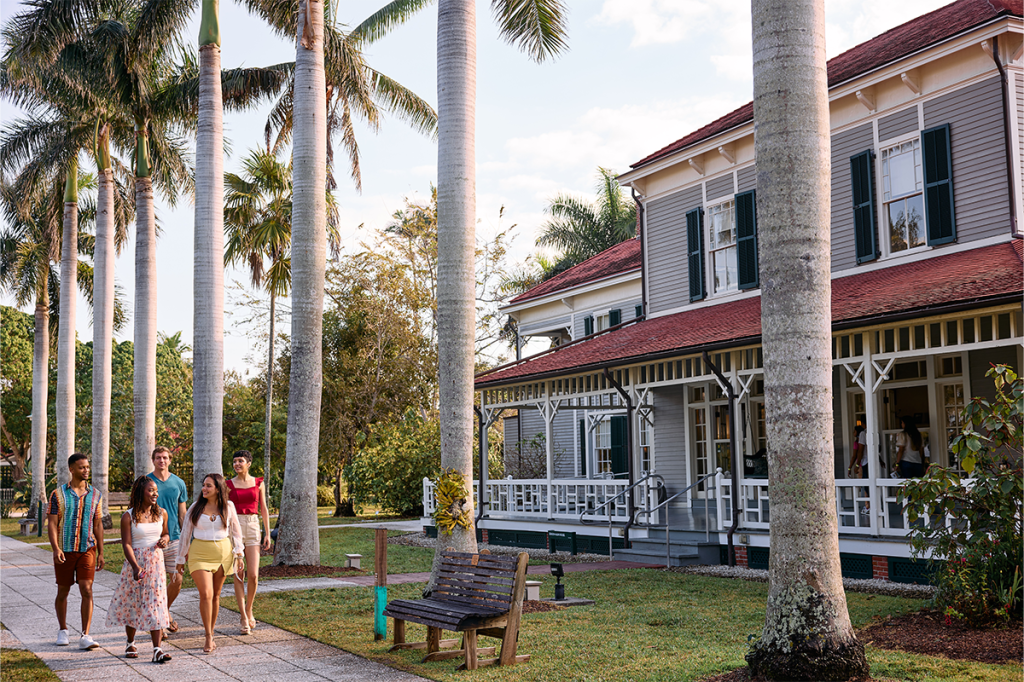
Duran points to a leadership group of approximately 120 attendees that hosted a 90-minute strategy session on the lawn at the Edison and Ford Winter Estates. The historic winter homes of American visionaries Thomas Edison and Henry Ford are located along the Caloosahatchee River, a setting that offers the ability to spread out while keeping the audience engaged.
According to the latest Meeting Room of the Future report from IACC, 51% of planners are searching for specialty venues such as stadiums, museums, vineyards, and other unique locations — an 18% increase from two years earlier.
Another popular alternative environment includes hosting early morning breakout discussions outside at beachfront resorts. Attendees can divide into small groups for 30-minute conversations before joining the full group indoors for the main agenda. “When thoughtfully planned with shade, seating, and sound support, outdoor sessions can create a refreshing change of pace while still supporting meaningful discussion and learning,” Duran said.
The layout of the region also lends itself to the kind of movement that helps keep attendees feeling refreshed. Duran pointed to a group that started the day with breakfast on Captiva Island before hopping on a boat to Pine Island for networking and learning sessions and lunch at Tarpon Lodge, a 1926 historic landmark. By building movement into the agenda, planners can create a sense of progression throughout the day — an approach that helps sustain attention and reinforces key content.
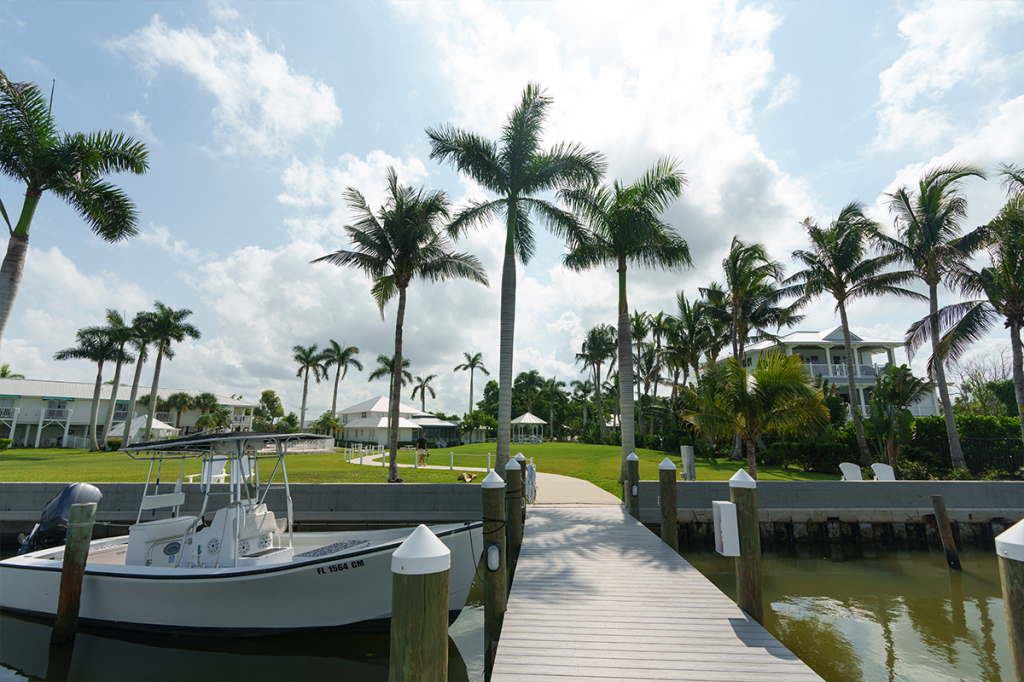
While bigger groups typically stay in the middle of the action in Fort Myers, Duran said that planners with smaller groups often choose neighboring islands. Sanibel, Captiva, and Boca Grande offer the kind of away-from-it-all energy that can fuel deeper discussions at intimate gatherings such as executive retreats and board meetings. “The peaceful setting allows teams to step away from daily demands, fostering clearer thinking and more productive strategic conversations,” Duran said.
CSR That Connects Attendees With a Sense of Place
In addition to helping attendees step back from their day-to-day roles, meetings in the Fort Myers area also encourage them to consider how they can leave the destination even better than when they arrived. Many groups incorporate conservation-focused volunteer efforts, such as beach cleanups with Keep Lee County Beautiful. The Sanibel-Captiva Conservation Foundation also offers additional hands-on programming, including marine debris removal, mangrove restoration, and sea turtle conservation education.
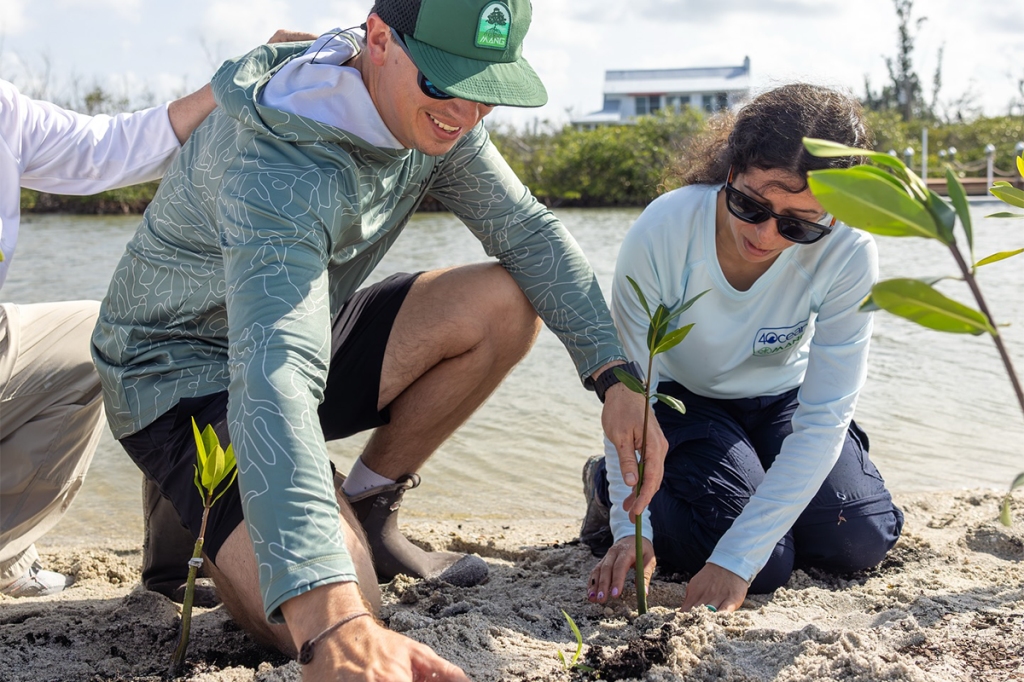
The work is easy to incorporate — planners simply need to remind attendees to pack appropriate clothing. It also has a direct impact on the animals that call the area home while creating a stronger sense of place for attendees.
Planners can also take advantage of built-in CSR by booking groups in one of the area hotels that participate in the Kind Traveler program. The Lee County Visitor and Convention Bureau, which represents the islands, beaches, and neighborhoods of Fort Myers, is the first DMO in Florida to partner with Kind Traveler. Since joining in July 2025, the organization has already helped raise more than $6,800 for local charities and cleaned up more than 440 miles of roads in the area.
As groups give back to the area, the destination marketing leaders in the Fort Myers area also help planners manage costs through a competitive incentive program. New meetings can qualify for a $4 rebate per room night up to $7,000.
“We understand the budget pressures planners are facing today," Duran said. "That’s why our meetings and hospitality partners are committed to providing strategic resources, creative solutions, and value-driven options that help planners maximize impact without compromising on experience or return.”
To learn what the islands, beaches, and neighborhoods of Fort Myers can do for your next meeting, submit your RFP here: https://www.visitfortmyers.com/meetings/online-rfp.
This content was created collaboratively by Fort Myers - Islands, Beaches and Neighborhoods and Skift’s branded content studio, SkiftX.