‘We’ve Arrived’: How One World Cup Host City Is Stepping Onto the Global Meetings Stage


Photo Caption: kc 26 Fifa fan festival render heart. visit KC.
Skift Take
The World Cup will only last for a few weeks, but the tournament carries long-term implications for meetings and conventions. Learn how Kansas City’s sports strategy has created a winning formula for welcoming major business events, too.

When football enthusiasts got a first look at the host cities for the 2026 FIFA World Cup, one name may have felt a bit unexpected: Kansas City.
Straddling the Kansas-Missouri state line, the destination has earned a reputation as an American football icon, having won three recent Super Bowls. But how did a city in the middle of the Great Plains wind up alongside major population hubs like Los Angeles, Mexico City, and Toronto?
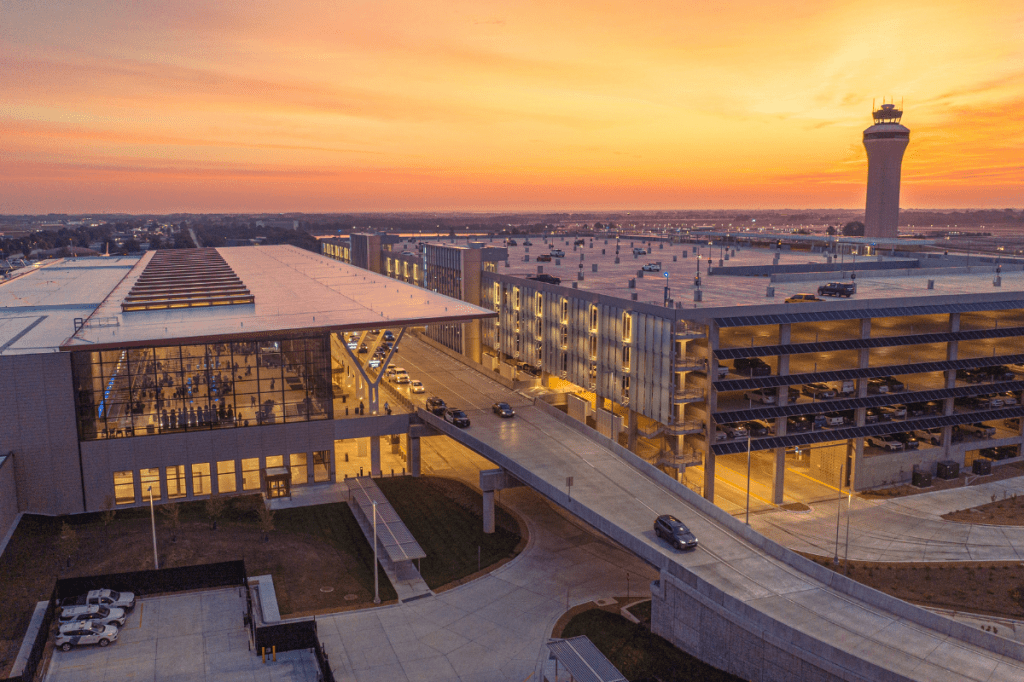
That rise has been years in the making. The New York Times, Lonely Planet, and BBC have all named Kansas City a top place to visit, thanks to a combination of creative arts, well-known barbecue, and its booming sports scene. Traveling to Kansas City has become easier, too, with additional flight options to the city’s new $1.5 billion airport terminal.
As planners evaluate destinations that can balance cost, accessibility, and attendee experience, Kansas City’s selection as a World Cup host reflects a broader shift: More mid-sized U.S. cities are investing to compete on a global stage. For meeting planners, those investments are not just about tourism — they directly shape how easily a destination can host large-scale events.
SkiftX spoke with Kathy Nelson, president and CEO of Visit KC and the Kansas City Sports Commission, to learn about the city’s rise — and what this summer’s hosting duties will mean for its bigger picture as a meetings and events destination.
SkiftX: What were some of the strategic decisions that led to this moment on the global stage?
Kathy Nelson: I’ve had the honor of working on the bid since 2015. The Hunt family [the owners of the Kansas City Chiefs] had a strong desire to host a World Cup match at Arrowhead Stadium. That passion played a big role in rallying the support we needed.
Across the city, you can see major investments that position Kansas City as a premier global host. Our airport terminal will be the newest to welcome travelers during the World Cup, and our free KC Streetcar, which recently completed a major expansion, offers downtown connectivity for a seamless visit. At the same time, our hotel inventory has expanded with new openings from trusted brands and boutique properties, growing to more than 36,000 rooms across the metro area.
Our soccer — or football, depending on what you prefer to call it — infrastructure includes major investments for Sporting Kansas City and the first-ever purpose-built stadium for women’s soccer in the world for the Kansas City Current. FIFA says that Kansas City is an understated center of venues.
SkiftX: While infrastructure updates clearly position Kansas City to host high-profile events, what distinguishes Kansas City’s community as a welcoming destination? And what does this mean for its conventions and meetings?
Kathy Nelson: The leaders here see the state line as a connector, not a divider. Our venues are on both sides of the state line, and there is a history of mayors, governors, and elected officials who have all been willing to take their political hats off during the World Cup bid and ask, “How can we help make this happen?” When I hear from my counterparts in other cities about projects, that’s not always the case.
There’s a real sense of passion among everyone here, too — not just those in office. When I was at the World Cup in Doha and the European Championship in Germany, I called Paul Rudd [who spent his childhood in neighboring Overland Park] to have him FaceTime with fans to share why he loves his hometown. That’s just how Kansas City is.
SkiftX: How has Kansas City’s growth as a leisure market fueled the city’s rise as a group business destination?
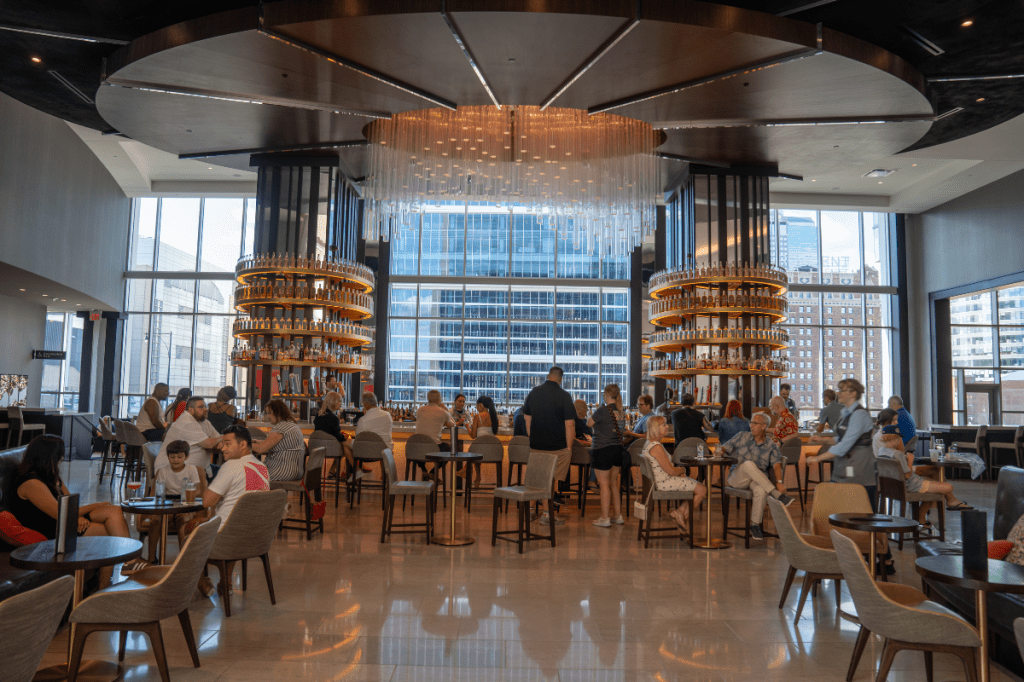
Kathy Nelson: Having a Super Bowl champion and now getting to claim Taylor Swift as one of our own has certainly increased our appeal. For many attendees, a meeting becomes an introduction to the destination. Then, once attendees are here, they see how walkable the city is, how many attractions there are to discover, and how much amazing food they get to sample.
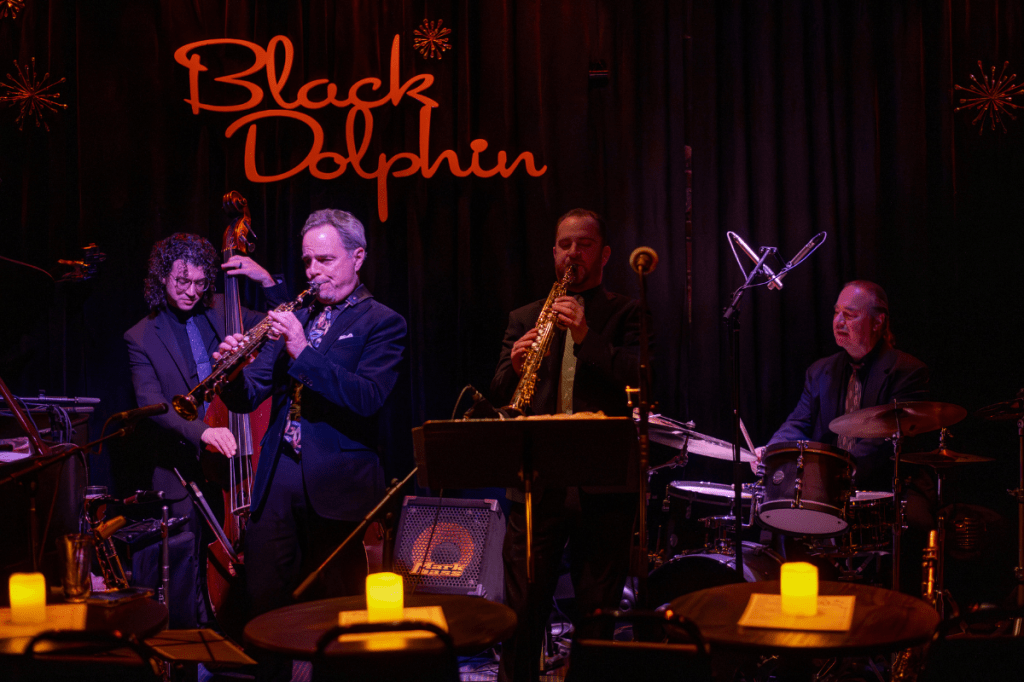
There’s so much to do here. We have a deep history of jazz music, and we are home to the American Royal World Series of Barbecue. Our sense of culture gives meeting planners an edge. They can help their attendees immerse themselves in what defines Kansas City.
Skift X: Hosting a global event like the World Cup requires extraordinary coordination across venues, transportation, hospitality partners, and city leadership. What lessons from that collaboration could be relevant for meeting planners designing large-scale events?
Kathy Nelson: From the bid stage through the award stage and now to the hosting stage of the World Cup, our past 10 years of planning and executing mean we’re ready for anything. Across the airport, hotels, hospitals, public safety, and more, we’ve practiced and perfected the ability to welcome the world. Whether you're bringing a meeting here of 500 or 5,000 people, our city is used to this. I can pick up the phone and call either the governor, multiple mayors, or police chiefs whenever a group is in town to ensure we are ready.
We’re also focused on constantly getting better. We have 18 different working groups for the World Cup, covering areas such as arts and culture and health. We are digging into the lessons those groups are using for this summer’s experience to determine what we can do better, differently, and uniquely in Kansas City. It’s a sustainable framework that we can apply to future meetings and events.
SkiftX: The World Cup requires cities to create experiences that extend well beyond the stadium. What lessons from Kansas City’s fan activations and venue programming could be relevant for meeting planners looking to design more engaging off-site experiences?
Kathy Nelson: The FIFA Fan Fest will be on the South Lawn of the National WWI Museum and Memorial. That was part of the footprint for the NFL Draft in 2023, which also involved a three-month build-out to double the size of Union Station for the stage. Both of those activations offer meeting planners a chance to see how creative they can get in the city and how committed our team is to working together to bring any vision to life.
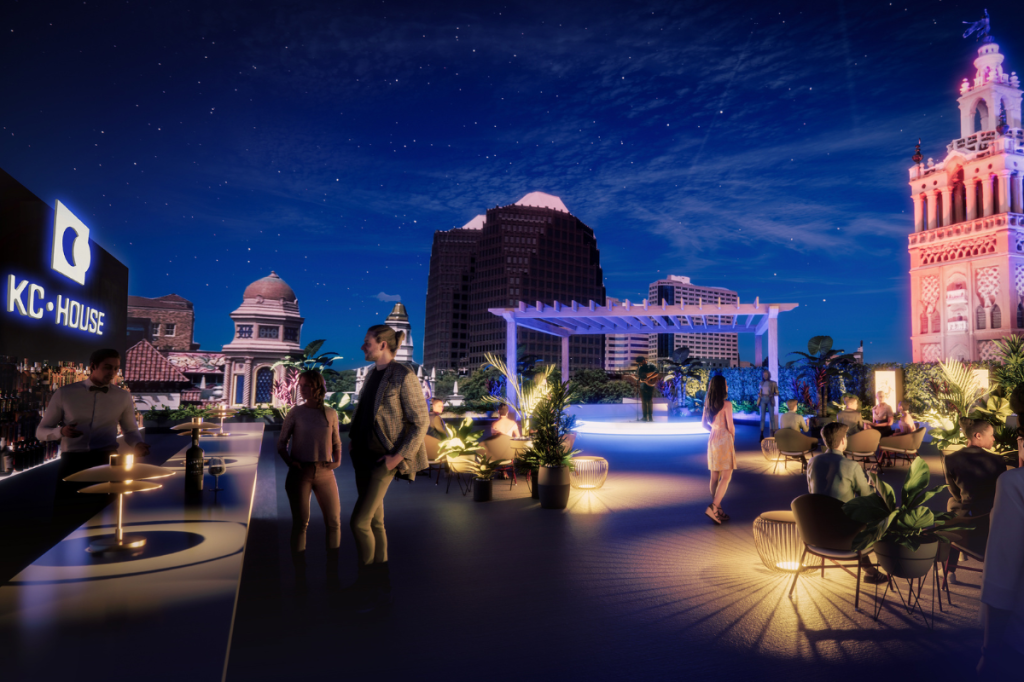
We’re finding every opportunity to utilize spaces. On the Country Club Plaza, for example, we are creating KC House. It used to be a two-story retail shop, and it will serve as a VIP environment for business-to-business and CEO-to-CEO meetings. We’ll host some meetings with embassies there, too.
For meeting planners, it’s further evidence that we are accustomed to connecting audiences for the kind of high-level discussions that are essential to productive conferences.
SkiftX: How might hosting the World Cup change how planners evaluate Kansas City for future meetings and annual conventions?
Kathy Nelson: The World Cup is helping us move into the top-five consideration set for meeting planners. When we go to industry shows like IMEX and PCMA, we used to tag-team with other destinations, or we often fell in the shadow of another city.
Now, there's a line of people at our IMEX booth who solely want to talk to Kansas City. When we travel internationally, we stand alone now. We can wave our own flag due to decades of strategic planning, infrastructure investment, and winning teams. Some meeting planners and tourists may not have previously considered Kansas City, but that’s changed. We’ve arrived.
To learn more about how Kansas City has built a best-in-class meetings experience, head to https://www.visitkc.com/meetings/.
This content was created collaboratively by Visit Kansas City and Skift’s branded content studio,SkiftX.