The biggest growth opportunity for events is not your current attendees. It’s those fence-sitters who keep deciding that your event isn't worth their time or money.
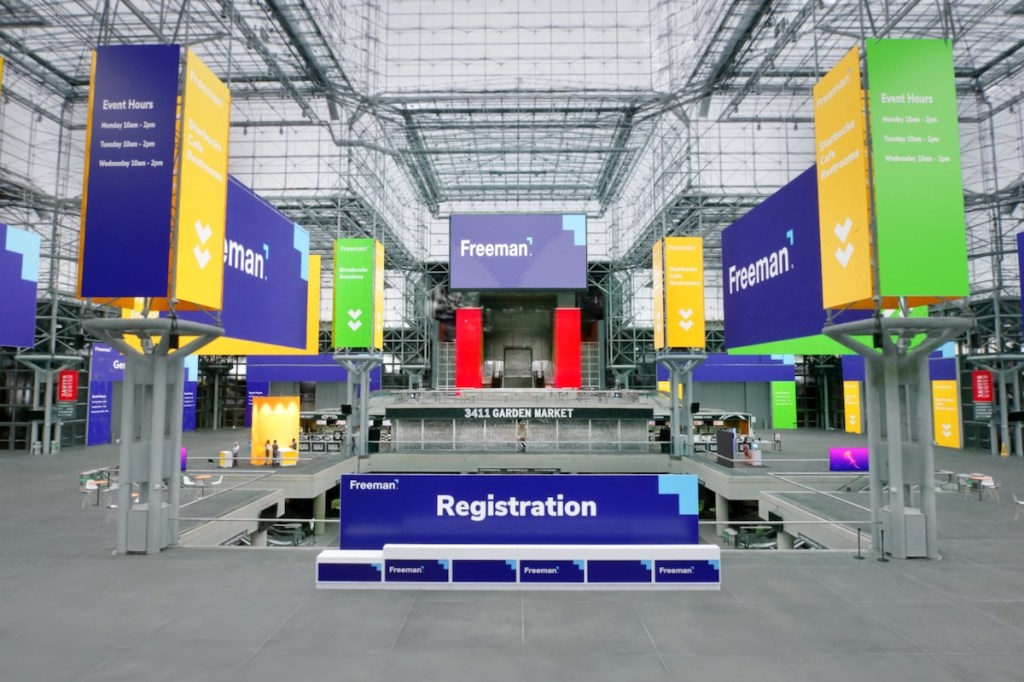
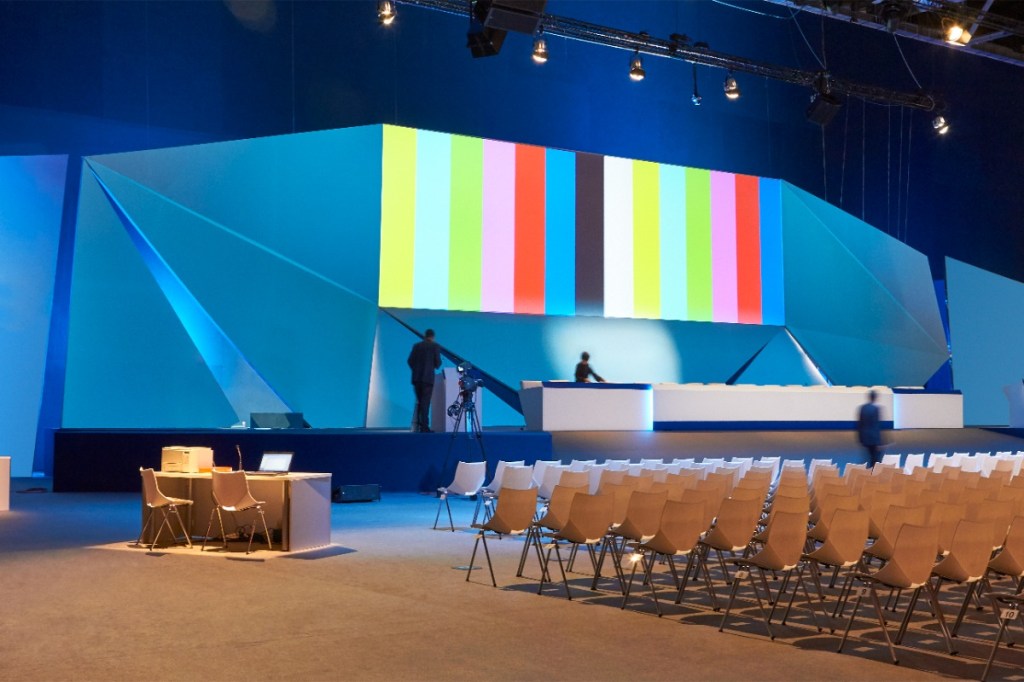
Freeman's new in-house platform turns convention center floor plans into navigable 3D environments — and has the potential to change how planners visualize, sell, and build events before a single booth goes up.
With attendee retention stalled in the low 30% range, event organizers must replace nearly 70% of their audience each year. Improving retention may be one of the most effective ways to offset rising event costs.
Vomela's backers, The Riverside Company, are buying back a firm they owned between 2000 and 2008 to significantly expand the company's event production capabilities.
Forget spectacle, today’s attendees are looking for connection, outcomes, and purpose. Freeman’s latest research exposes a widening gap between what event planners think audiences want, and what they actually desire.
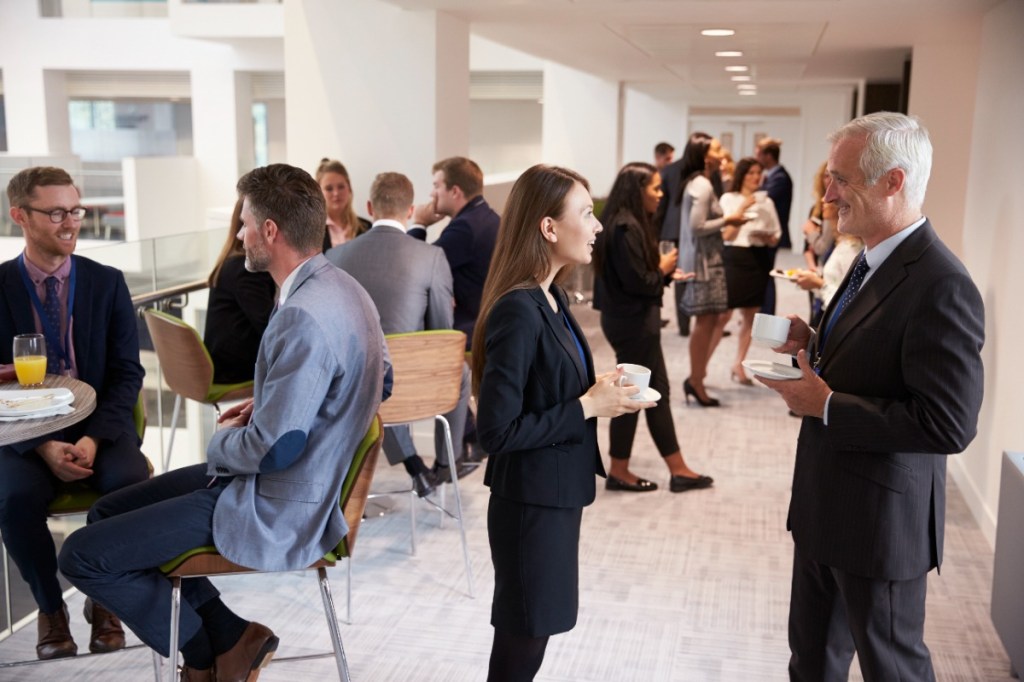
As costs rise and loyalty declines, connection can’t be an afterthought. Planners who fail to prioritize it risk losing attendees, and with them, their event’s future.
In a tighter economy, events must deliver a return on investment. Commerce has overtaken content as the primary reason professionals attend events, a shift that’s expected to accelerate as budgets tighten and event attendance becomes more selective.
As the live events industry undergoes a critical generational transition, Freeman's new book, “Inside Live Events," aims to preserve and transfer decades of institutional knowledge to the next generation of event professionals.
Within the next five years, Millennials and Gen Z are projected to comprise 75% of the workforce, which means ignoring their preferences is no longer an option. How can events change to meet their needs?