
Gendered Ageism: The Events Industry’s Chronic Issue

Skift Take
Women event professionals report being stereotyped, harassed, unable to balance work and family, paid less than men, and then as the ultimate insult, forced out of their jobs at the late stage of their careers. And that’s in an industry made up mostly of women.
Women event professionals face roadblocks at each stage of their careers. The challenges come at every turn, from the long hours and tight deadlines of project-based work, to the constant travel, to the blurred lines between work and personal time that are inherent in meeting planning.
That’s in an industry that, by most counts, is about 80% women.
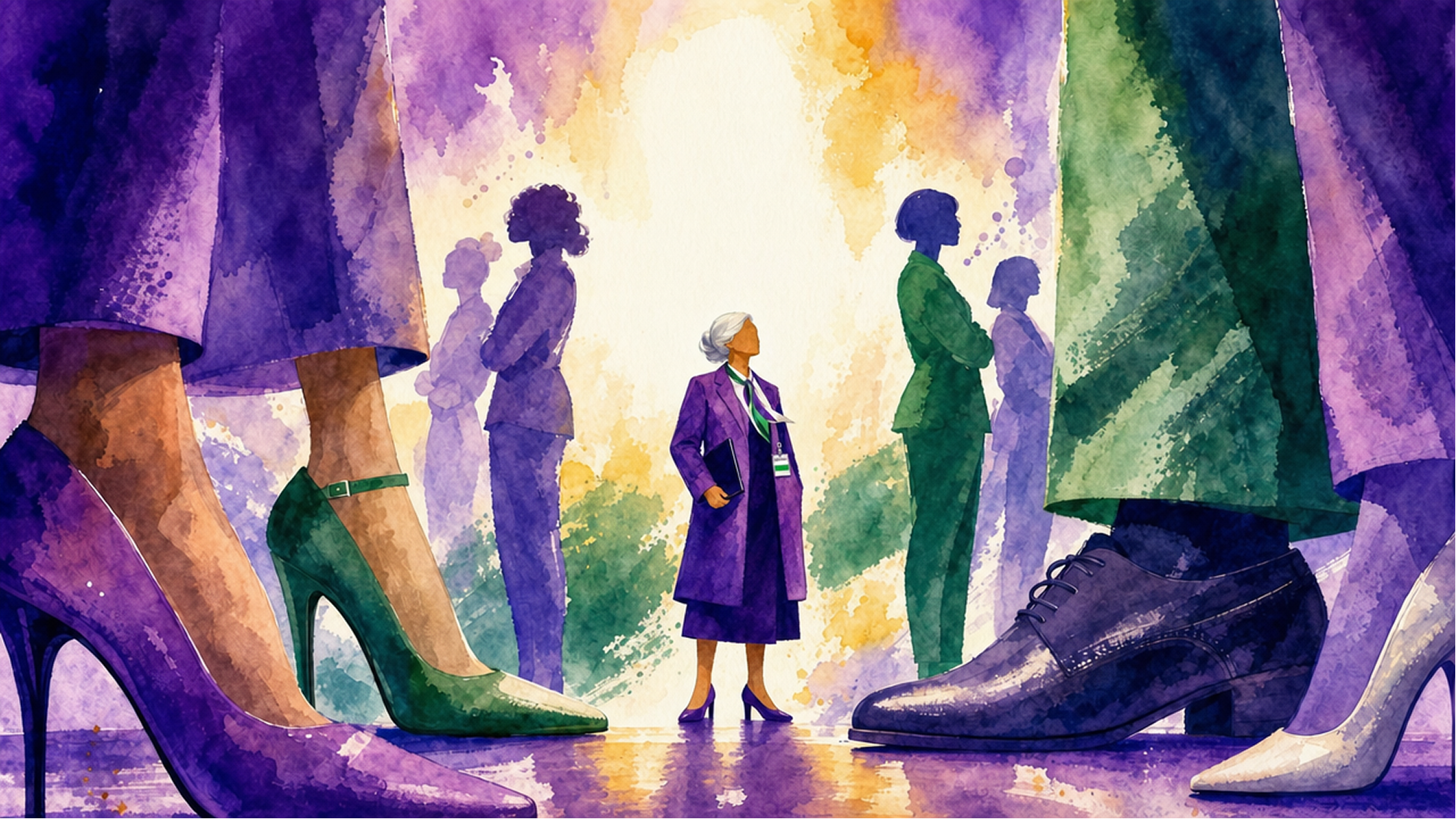
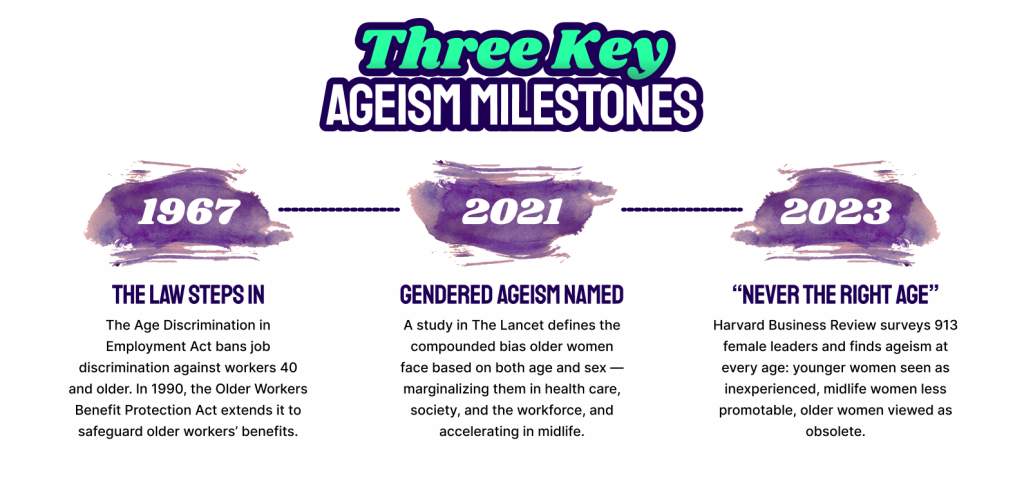
This has led some event professionals to conclude that, basically, no age is the right age for women in this industry.
“We can’t be young and attractive, because then it’s only our looks that move us up the ladder. We can’t have families and balance travel, 24/7 stakeholder needs, and our own mental health. We can’t grow old because then we get too expensive for our knowledge,” said Carrie Davenport, principal, strategic events & experiences at Altria.
“It’s insane and exhausting.”
A Triple Threat
Starting out in their careers, women report often being mistaken for support staff, or referred to by pet names, like “kiddo” or “dear.”
“Early in my career, ageism seemed to be more of a problem,” said Davenport. “I was young and ambitious, and wasn’t taken seriously for a long time.”
Mid-career, when women begin thinking about starting a family, there’s another set of challenges. A newly released survey of 600 women by the U.K.–based Network of Women in Events (NOWIE) found that only 4% of respondents worked part-time, compared to the U.K. average of 38%. Only 25% were parents or guardians of children under 18, compared to 75% across the U.K.
“That poses the question: Is events a young industry, or does it force women out as they become parents?” the survey concluded.
At the senior level, research by IBTM found that just 16% of C-suite positions in the events industry are held by women.
“Let’s call it what it is — it’s ageism and it’s sexism,” said Emma Abson, Ph.D., an events industry leadership expert and researcher.
“We have a leaking pipeline in the event industry. We are continually losing women in their 30s who can’t make having a family work with event work. And we know that we have women of all ages who feel like they don’t fit.”
Abson co-authored a 2025 research study, The Triple Threat to Women’s Leadership Development in Events: A Gendered Organization Perspective, which concluded that “Women working in events faced a series of what seemed like impossible trade-offs to make between developing their own leadership careers and maintaining their social and family commitments.
“Because organizational processes in events involve unsocial hours and working away from home, coupled with organizational cultures of long hours and overwork, women felt that they had to choose between a leadership career and their personal lives.”
Growing Salary Disparity
Salary research across the board shows a disparity between men and women in the same roles. In the U.S., PCMA’s annual salary survey of 275 event professionals found the pay gap between 2024 and 2025 widening by 6%, with the men respondents earning 11% more than the women.
IBTM took a sample of U.K.–based event management companies with 250 employees or more and found that women are paid less than men across the industry — on average £0.88 for every £1 that men receive for the same role. When it came to bonuses, women received £0.55 for every £1 received by their male counterparts.
“In all companies analyzed except one, the percentage of male employees receiving a bonus was higher than that of women. Typically, those in higher-up positions are more likely to get bonuses, so these statistics underline our finding that men have a greater opportunity of being in a senior role than women,” the survey concluded.
Women responding to the NOWIE survey also reported lower salaries, fewer leadership roles, and difficulty negotiating for fair wages. A full 57% of respondents felt their daily income does not fairly reflect their work.
After working their entire careers and getting their salaries to a decent level, there are numerous reports of senior planners being forced to take retirement when they were not ready because their salaries had reached a certain level. Said one former corporate planner for a major food brand, who was edged out of her job at 64, “You see it a lot.”
She was replaced at a much lower salary by what she described as “a 20-something from customer service whose only event experience was working as an intern during college.”
Internal Dynamics
Ageism can be inherent within a team or an entire corporate culture. Abson’s research found that there is still an expectation that women are expected to take on the roles that are perceived to be caring or nurturing, such as hospitality work and client-facing roles, and are treated as having less knowledge or expertise.
“These roles, when cast as ‘feminine’ or ‘women’s work,’ are often less valued and less rewarded,” she said. “This occurs regularly in the events industry, where ‘caring’ elements of the job, such as organizing social events for staff and team building, are often seen as feminine, and carried out in unpaid ways by women.”
One insurance industry director of global events, who manages a staff of a dozen planners, spoke about how she once was sitting behind the registration desk when a well-meaning male executive pulled her aside. “He told me to never sit behind the registration desk. I didn’t understand what he meant until years later. What man would ever help out at registration?”
Issues can arise when less-experienced individuals are put in charge of older ones. A planner from a tech company who had always had a positive working relationship with her former manager of the same age said things changed when that person was replaced by a less-experienced manager, who she described as “probably scared about my skills.”
Now she has had to deal with the new manager excluding her and ignoring her expertise in favor of a younger event assistant.
“The energy within our three-person group has become awkward and frustrating,” she said.
Job Hunting Hell
For senior planners who find themselves out of a job and looking for work, it can be a difficult road finding anything — not just in meeting planning, but across the hospitality industry. Rob Vinke, recruitment & retention manager at Thesliff Group, points to an unconscious bias toward “young energy” or perceived culture fit, particularly in customer-facing roles.
There’s also the “experience penalty,” where older women are mistakenly categorized as overqualified, or it is assumed that their salary expectations are too high, before there is even a conversation.
“The industry does itself a disservice when experience is undervalued. Hospitality often talks about labor shortages and retention challenges, yet many highly experienced candidates over 45 or 50 can struggle to even get through initial recruitment stages.”
What’s most ironic is that many of the qualities the events industry depends on — leadership, emotional intelligence, resilience, calmness under pressure — are gained through experience.
Ageism in job postings is subtle, but recognizable. Phrases like "digital native," "high energy," "culture fit," or "early career professional" are all signals that the company seeks to deter experienced planners.
Recent lawsuits against platforms like Workday and Eightfold have alleged that age bias exists within job-search algorithms. Research from the University of Washington has shown that AI screening tools can favor certain names over others based on race and gender, said Janine Vanderburg, CEO of Encore Roadmap.
“If you've been applying for jobs and hearing nothing but crickets, you're not alone — and you're not imagining things.”
Diane Braga, senior director of event marketing at Event Marketing Partners, recalls being horrified when a hiring manager for a director of corporate events role didn’t even try to hide his disinterest in her experience.
“‘You have 20 years of experience. With your salary requirements, I can hire two people with 10 years of experience. Why should I hire you?’” he said. “In my opinion, by “experience’ he meant ‘age.’ Needless to say, I didn't get the job, nor did I want it if that was the type of person and company I'd be working for.”
Companies Doing It Differently
As a result, many older planners find themselves either hanging up their own shingles or leaving the industry altogether.
Vanderburg advises women to be proactive while they still have a job (as she puts it, “to build their own boat”), whether to eventually replace full-time work, or as a side hustle. “The workplace is changing quickly and dramatically, and I believe the smart move is to have another independent source of income.”
The good news is that there are companies that are working hard to fight ageism and retain mature employees.
The American Association of Retired Persons (AARP) publishes a list of companies that have signed the AARP Employer Pledge, meaning they actively recruit, hire, and value older workers. Its job board, created in conjunction with Indeed, allows users to filter age-inclusive employers, and you do not have to be a member to use the service.
Some meeting and incentive agencies, including Creative Group and Meetings & Incentives Worldwide (M&IW), have committed to retaining older employees. Janet Traphagen, president of Creative Group, estimates that 30% of her 210 employees are 50+. M&IW has created part-time flexible work situations to retain them, known as “second chapter” roles.
“It’s proven to be a win-win: Our senior talent remains engaged and impactful, and the organization continues to benefit from their experience while creating space for new leadership to grow,” said CEO Tina Madden.
What Can Women Do?
Gender bias and lack of work-life balance are the biggest challenges for women in events, according to the NOWIE survey. It advises planners to push for a hybrid work situation to avoid the stress of commuting and give themselves more time to manage home and personal responsibilities.
It’s up to women to set the boundaries between work and personal time, the study said, by logging off on time, turning off notifications, and saying no to unreasonable workloads.
Women can also make a difference by educating themselves about gendered ageism and sharing what they learn with their companies and their networks.
The first place to start is to understand your own bias. “It’s not just men who are guilty of gendered ageism, it’s often women as well,” said Vanderburg. Two resources she suggests for identifying bias are the Implicit Association Test from Project Implicit and the Changing the Narrative resources page.
Encourage your employer to learn more about the benefits of being age-inclusive and to include age as part of DEI policies and measurement. Get involved in committees or start your own employee resource group (ERG).
“There is always a single person who moves the needle on these issues,” Vanderburg said. “Use whatever platform you have to not only educate people about this issue but to elevate the women you know.”
Build your network of supportive women professionals, both inside and outside of the meetings industry. There are hundreds of women’s conferences, from the regional Conferences for Women to the change-focused Women’s Impact Alliance to those of events industry women’s groups such as WINiT (part of the Global Business Travel Association). All are settings for networking, community-building, and partnership and mentorship opportunities.
Rhonda Brewer, vice president of sales at Motivation Excellence and a founding member of the Women in Leadership Community (WIL) of the Society of Incentive Travel Excellence, credits her involvement in WIL as having helped her grow her career, and said it remains helpful as a senior industry leader.
“As we age, having a trusted circle of peers who understand both the professional pressures and personal changes that come with different life stages helps combat isolation and reminds us that we still have wisdom, value, and impact to contribute,” she said. “Supportive communities create space to learn, lead, give back, and continue growing personally and professionally, no matter your age or title.”
Industry Associations Need to Step Up
Rather than lobbying for things like salary equal pay, paid family leave, and anti-discrimination policies, industry associations have focused their efforts on building awareness and creating mentorship programs for members to address the issues one-on-one.
WINiT’s mentee-driven mentorship program has attracted thousands of women participants, and a male “allyship committee” includes men in conversations about gender equity. SITE’s Young Leaders Mentorship Program pairs professionals aged 35 or younger, or those with less than 5 years of experience, with senior industry members.
PCMA published a report, Advancing Women in Business Events; has featured ageism crusaders such as Ashton Applewhite, author of This Chair Rocks: A Manifesto Against Ageism; and has written about the salary disparity uncovered in its annual salary survey. MPI created the MPI State of Inclusion in Meetings & Events Report, which touches on topics like “manels” (all-male panels) and other contentious sexist issues in the industry.
It’s a start, but not nearly enough, says Nataly Horan, who founded her own meeting planning company, Authentic Meetings & Incentives, in 2024. She sums up the belief among so many women in events that change is coming, and that it’s women who hold the key to advancing their own trajectories in the events industry.
“Women are becoming the bosses, and little by little we're going to change all of this. I sure as hell know I am.”