
What Caesars and MGM Takeover Bids Could Mean for Planners

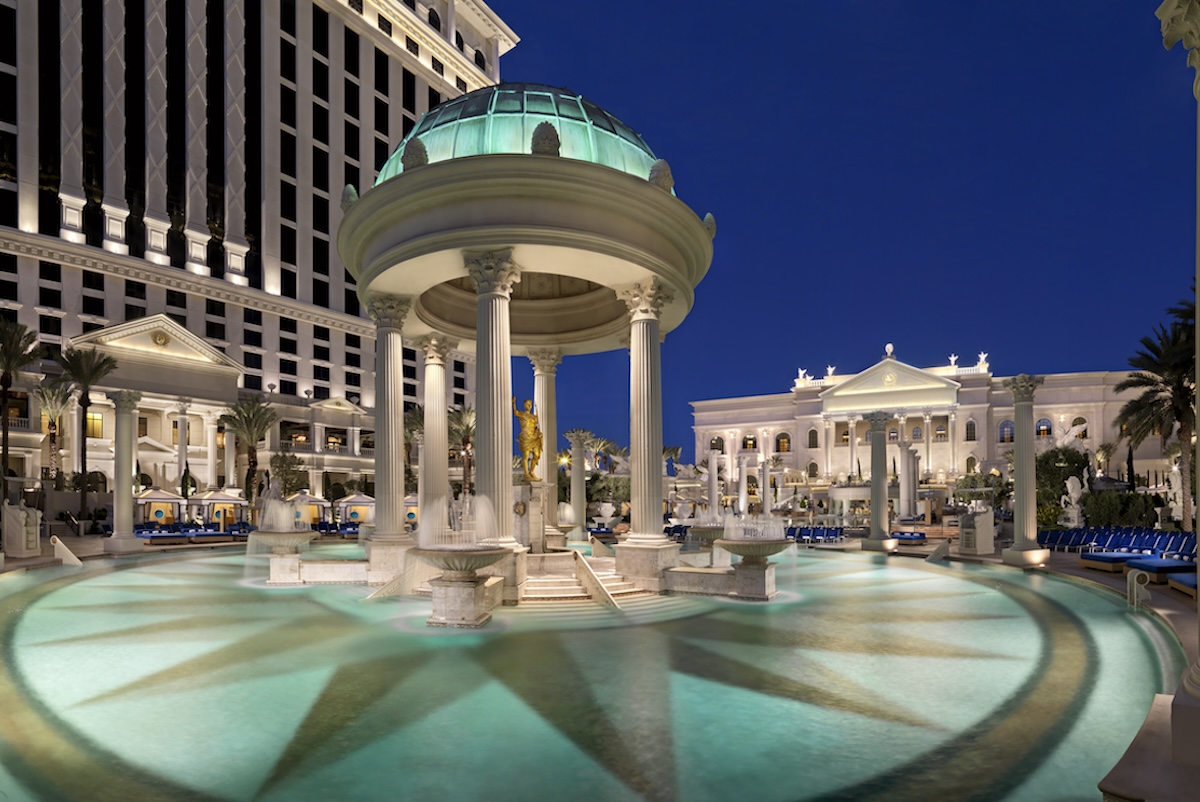
Photo Credit: Ceasars Palace Las Vegas. Caesars Entertainment
Skift Take
If both deals close, Caesars and MGM, two of the largest owners of meeting and event space in Las Vegas would move into private hands, potentially reshaping investment priorities, expansion plans, and how major events are negotiated and managed.

Nearly 6 million square feet of Las Vegas convention and meeting space could soon be controlled by private ownership if separate takeover bids for Caesars Entertainment and MGM Resorts International are completed. Together, these two companies represent a substantial portion of the city’s convention infrastructure.
“Las Vegas is evolving, private investors are coming, and things will change,” said Mike Ferreira, founder and CEO of Meetings Made Easy.
For meeting planners, the implications extend far beyond Wall Street.
Caesars Faces New Ownership
Fertitta Entertainment has agreed to acquire Caesars Entertainment in a transaction that includes approximately $11.9 billion in assumed debt and $5.7 billion in cash.
The company is controlled by billionaire Tilman Fertitta, whose holdings include the Golden Nugget casino brand, restaurant giant Landry's, and the NBA's Houston Rockets.
Industry analysts have speculated that Fertitta could face pressure to divest certain assets because of market concentration concerns in some jurisdictions. Fertitta is also the largest shareholder in Wynn Resorts, a position that could draw regulatory scrutiny if his expanded Las Vegas footprint raises competition questions, potentially forcing property sales that reshape where planners book.
Ferreira believes a Caesars acquisition could trigger organizational changes that planners should monitor closely.
"Sales restructuring and leadership changes can create temporary disruption," he said. "Commission structures, preferred-partner programs, and loyalty benefits could be reevaluated. A stronger focus on profitability could also mean tougher negotiations and less flexibility on rates and concessions."
Yet private ownership could also create opportunities.
"There may be a more aggressive pursuit of group business if Fertitta prioritizes hotel and convention revenue over gaming revenue," said Ferreira.
He also sees the potential for broader packaging opportunities across hotels, restaurants, and entertainment venues, as well as faster decision-making.
"A privately held company may have fewer quarterly Wall Street pressures, which can allow management to move more quickly," he said.
For planners with events already contracted at Caesars properties, Ferreria recommends reviewing agreements for change-of-ownership provisions and maintaining close communication with hotel sales teams as the deal progresses.
MGM's Future Also in Play
Media mogul Barry Diller's People Inc. has offered $48.30 per share for the portion of MGM Resorts it does not already own, valuing the company at roughly $18 billion.
If the deal proceeds, MGM would join Caesars in moving from public-market ownership to a private structure.
The scale is significant. Caesars controls approximately 2 million square feet of meeting space in Las Vegas, anchored by Caesars Forum, its 550,000-square-foot conference center.
MGM's footprint is even larger. The company reports roughly 4 million square feet of meeting and convention space on the Strip, including Mandalay Bay, MGM Grand, ARIA, Bellagio, and Park MGM.
A Broader Trend
The proposed transactions also reflect a larger wave of private capital flowing into hospitality, events, and trade-show businesses.
Investors continue to view business events as attractive assets because of their recurring revenue streams, customer loyalty, and ability to generate strong cash flow even during periods of economic uncertainty.
For now, planners should expect little immediate change. Sales teams, contracts, and event operations are likely to continue as normal while the transactions navigate regulatory and shareholder approvals.