Spirit’s Shutdown Is One More Cost Squeeze on Events

Andrea Doyle
Skift Take
Airlines are replacing Spirit's routes, but not its ultra-low-cost fares. For planners already navigating rising costs, the timing couldn’t be worse.

For years, Spirit's presence in a market didn't just mean cheap tickets. It forced competing airlines to price more aggressively than they otherwise would. Without that pressure, fares in Spirit-heavy markets are already creeping up.
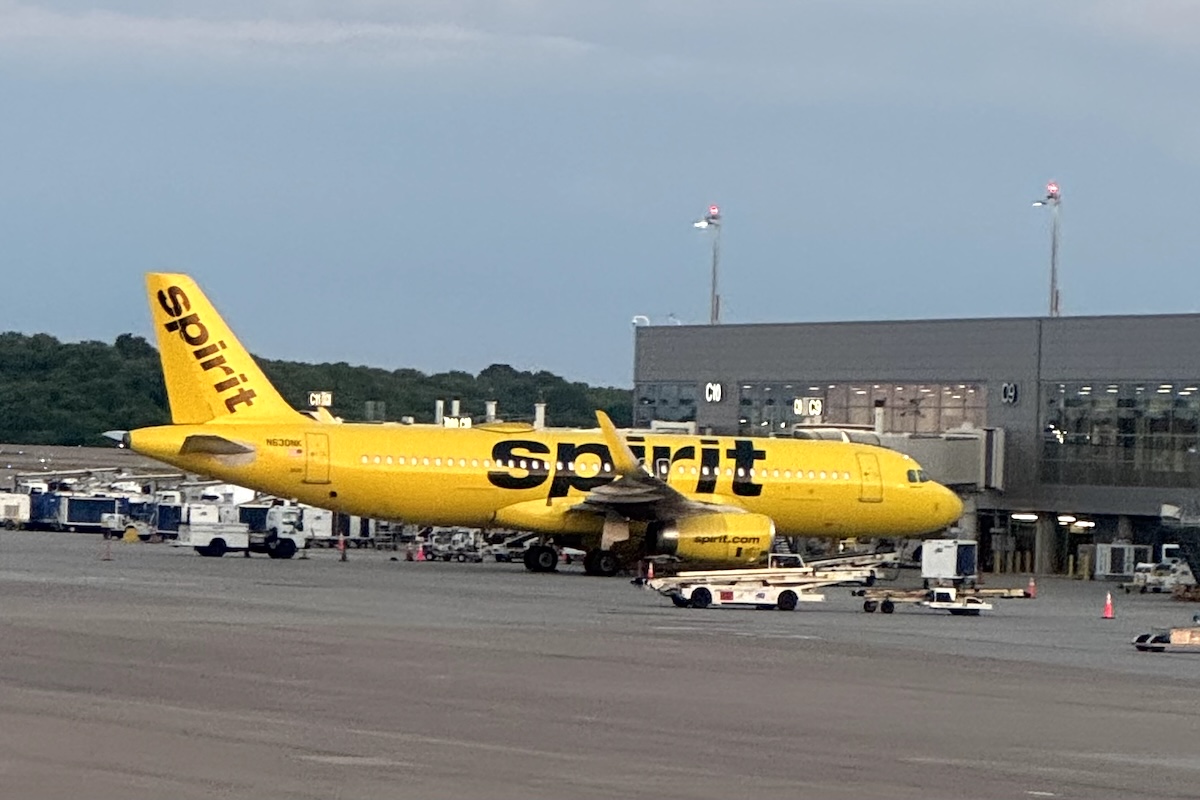
The pioneer of ultra-low-cost flying in the U.S. came to a halt on May 2. Its collapse sees more than 14,000 jobs lost and will reshape competition across key routes.
Orlando International Airport said Spirit accounted for roughly 9% of its passenger traffic. At Harry Reid International in Las Vegas, Spirit served 16 routes, each still covered by at least one other carrier, though not at Spirit's price points. Other markets with heavy reliance on Spirit include Fort Lauderdale, Miami, the New York metro area, Detroit, Houston, Dallas-Fort Worth, Atlanta, Chicago, Charlotte, Los Angeles, Baltimore, and Myrtle Beach.
JetBlue, Frontier, and Allegiant have begun adding routes in several of Spirit's former strongholds. Breeze Airways launched its first flights out of Atlantic City on May 6, four days after Spirit shut down, with service to Charleston, Orlando, Myrtle Beach, Fort Myers, and West Palm Beach.
The fare gap, though, is real. A round-trip search from Newark to Fort Lauderdale shows JetBlue at $267 — nearly triple what Spirit was charging for the same route. That comparison has limits: Spirit's fares typically exclude bags and seat selection that could add $50 or more each way. But even accounting for fees, the base fare floor has risen.
The Broader Cost Squeeze
Spirit's exit didn't create the cost pressure planners are feeling, but it's not helping either. New data from the Global Business Travel Association (GBTA) shows that affordability is now the top concern in business travel, with 82% of travel buyers citing rising costs as a major issue, up from 70% at the start of the year.
GBTA’s research suggests the cost pressure is already changing how companies plan. More than half of buyers (56%) say their organizations have altered their meetings or events strategy in the past three months — cutting attendance, shifting some gatherings to virtual formats, or relocating events altogether. Forty-three percent expect travel spending to increase, driven largely by prices rather than more travel.
"Organizations continue to travel and meet, but they're doing so more deliberately," said GBTA CEO Suzanne Neufang.
The near-term pressure will be felt most acutely in markets where Spirit held a significant share and replacement service is thinner.
Planners with events in those markets over the next 6–12 months should model airfare assumptions with a higher floor than they used even a year ago.
The longer-term question is whether Breeze, Frontier, or a new entrant fills Spirit's role as an aggressive low-cost disruptor, not just a carrier that adds seats, but one that forces other carriers to compete on price.