How SITE Pulled Off Its First Major Meeting in the Middle East

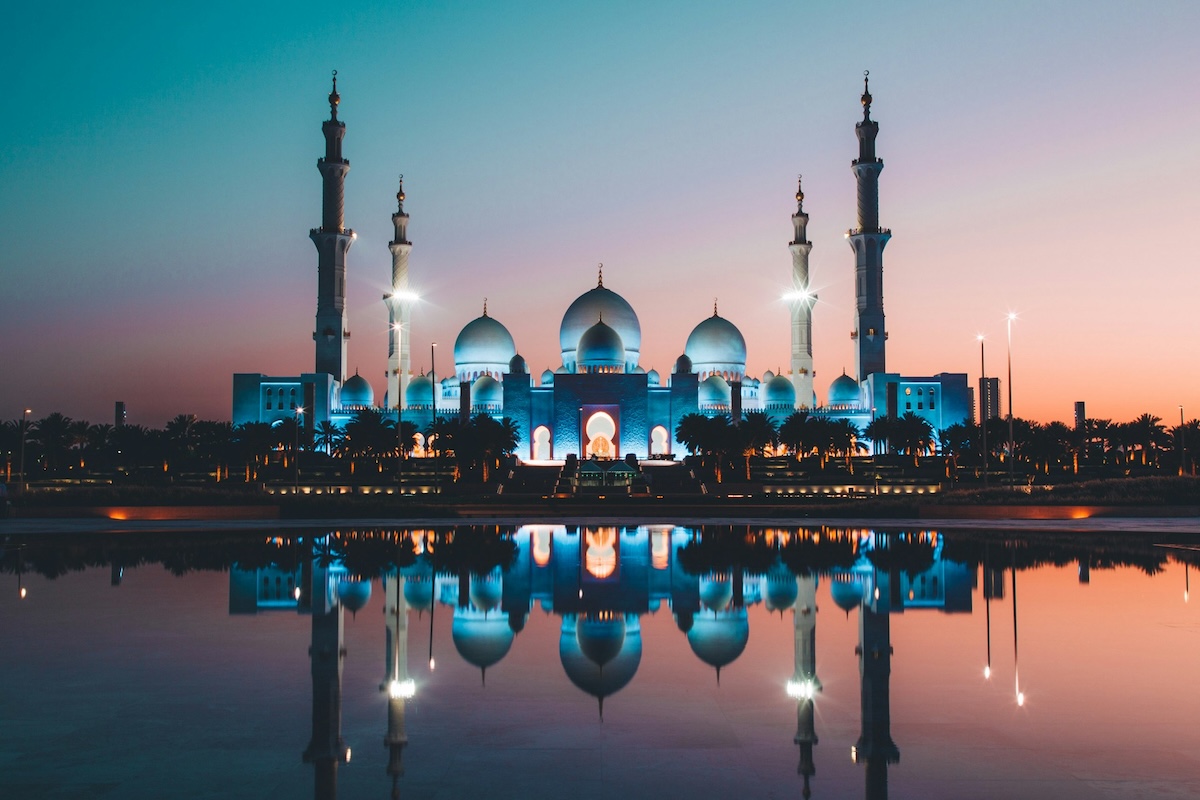
Photo Credit: Unsplash / David Rodrigo
Skift Take
SITE’s members are well-traveled, and many have been to the Middle East before. But for those who had not — and for the association itself — the Annual Conference in Abu Dhabi presented some new challenges.

This year’s Annual Conference of the Society for Incentive Travel Excellence (SITE) — the association’s first event in the Persian Gulf — was held at the Ritz-Carlton Abu Dhabi, Grand Canal February 12–15.
SITE had aimed for between 400 and 500 attendees — buyers, suppliers, and destinations from around the globe — and organizers were pleased with the final number of 420. Annette Gregg, SITE CEO, believes that the ongoing anti-government protests that broke out in Tehran in late December, followed by a buildup of U.S. warships, had an impact on attendance. “Tehran is a good 700 miles away but without knowledge of the geography, it’s next door.”
SITE’s mission for the Annual Conference is to expose members to new destinations that they might not have thought of before for incentive travel.
“Abu Dhabi fit that bill. A lot of what we heard in the beginning was that Abu Dhabi is too luxurious, it’s too far, it’s too expensive. And come to find out it’s actually a very attainable destination,” said Emily Parsons, SITE’s event specialist.
“In just the last three years, Abu Dhabi has seen so much investment and changed so much, and every year it continues to change and grow."
Proactive Communication
Gregg compares the United Arab Emirates to Switzerland. “Abu Dhabi, for the third year in a row, has been named the safest city in the world. It’s not affected by what’s happening around it. So it was incumbent upon us to over-communicate that.”
One way they did that was via repeated “Know Before You Go” emails and working with the DMC and DMO to craft a message to address safety concerns, stating that they were actively monitoring any developments that may occur in the region. “In close coordination with our local hosts and the appropriate government authorities, we are fully committed to providing a safe, secure, and welcoming experience for all attendees,” it read.
Gregg also joined Mubarak Al Shamisi, director of the Abu Dhabi Convention and Exhibition Bureau, for a pre-event webinar sharing details about the destination and answering questions from members, such as whether women need to cover themselves in public, or if hugging was permitted.
“Having that webinar and just being able to speak to day-to-day overall safety put a lot of people at ease,” said Elizabeth Sage, SITE’s head of education and events.
In fact, the only place where women attendees were expected to cover themselves was during a day excursion to the Sheikh Zayed Grand Mosque.
“We have 200 different nationalities,” Al Shamisi said during the webinar. “You are not expected to cover your hair or to act outside of your normal lives day to day, other than being respectful to the culture.”
Respecting Cultural Norms
Those cultural considerations also include the custom of avoiding public displays of affection, which Gregg pointed out is similar in many other Middle Eastern destinations.
The UAE's strict LGBTQ laws (homosexuality is illegal) did not appear to affect participation.
“We would never go to a destination that's unsafe, and we wouldn't put our members in harm's way,” said Gregg. “So if you check that box, it’s about respecting the cultural norms of that destination. Not every destination is going to have Western values.”
Another consideration was that since the event was supported in part by the government, they would not sponsor any alcohol (which is legal for non-Muslims in licensed venues such as hotels). So for the first time, SITE added a question on its registration form asking attendees if they drink — and 60% said they are not drinking.
“That helped us,” said Gregg. “Here, you need a little bit more advanced planning, where in North America, you take it for granted that you can have open bars all the time.”
The organizers also set up prayer rooms for Muslim attendees — quiet, private spaces located off the beaten track. It’s a practice that more planners are including routinely, they said.
“You need to know your audience,” said Gregg. “Something might not be relevant for everybody, but we have to ask better questions.”