How This European Cultural Capital Is Raising the Standard for Global Meetings
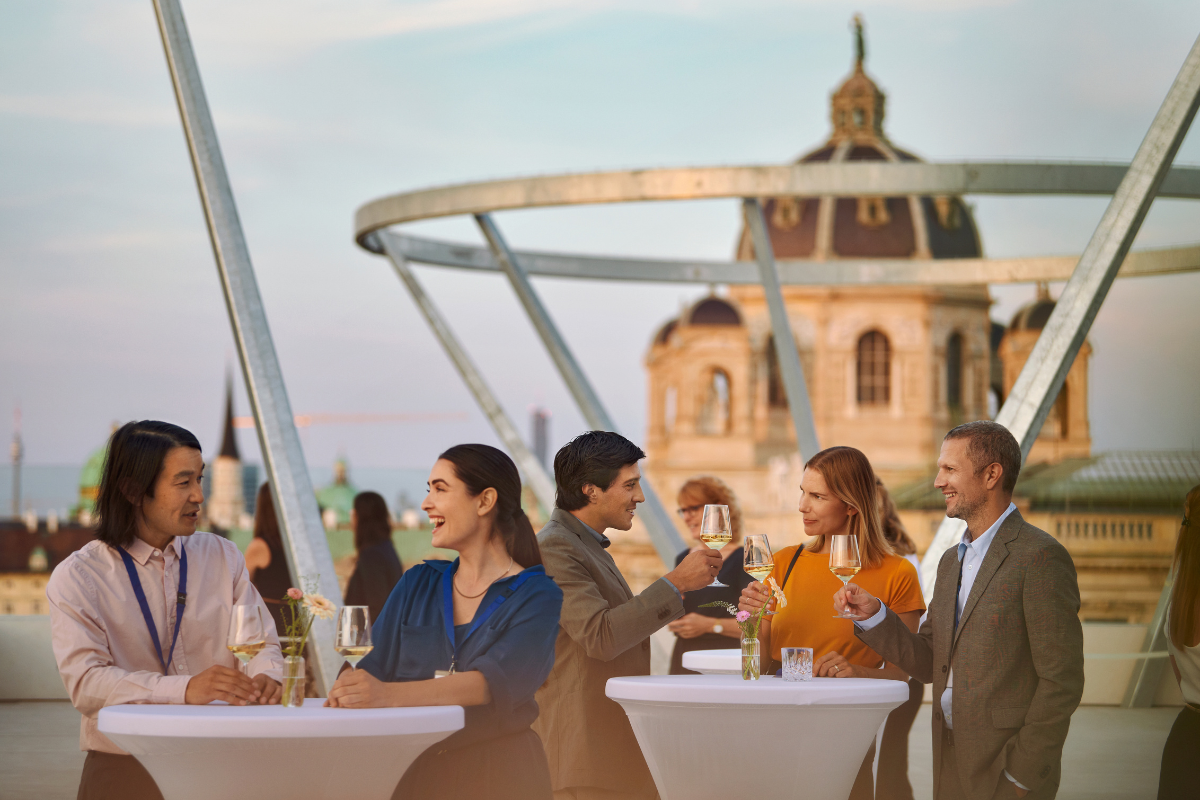
Photo Credit: An evening event at MQ Libelle in Vienna. David Payr. Meeting Destination Vienna / David Payr
Skift Take
Vienna already ranks among the world’s leading destinations for international programs — but the city is investing even further in the experiences and infrastructure planners increasingly prioritize, including new luxury hotels, immersive off-site venues, and culinary experiences.

With nonstop service from nearly 200 destinations around the world and direct rail service from 14 European countries, Vienna has always appealed to meeting planners focused on international attendance and ease of access.
The city holds the number-one position in ICCA’s most recent rankings of top cities for international programs, but Vienna is out to prove something in 2026: Staying at the top requires keeping pace with the changing expectations of planners and attendees.
In May, the Austrian capital will step into the spotlight when approximately 500,000 music lovers arrive for the Eurovision Song Contest 2026. As the one-time home of Mozart, Beethoven, and Haydn, the city is a natural fit to host the world’s largest musical competition’s 70th anniversary celebration. However, this year is about more than setting the globe’s soundtrack — it also underscores Vienna’s position as a hub for large-scale, cross-industry gatherings.
Vienna will welcome seven large-scale international programs for associations and corporations in 2026, each of which will convene at least 10,000 participants. For these organizations, spanning medicine, AI, economics, and more, Vienna delivers a combination of access, academic depth, and industry presence, including 200 major international corporations, a collection of innovative startups, 26 universities, and a tradition of innovation.
“Vienna’s strength lies in how we bring together global accessibility, a highly collaborative local ecosystem, and a strong knowledge base across disciplines,” Anita Paic, head of Vienna Convention Bureau, said. “This combination attracts international meetings of all sizes while ensuring they remain relevant, future-focused, and impactful for both organizers and participants.”
A Collection of High-End Hotels
In addition to inspiring future-focused discussions, Vienna stands out as a destination where planners can rely on a collection of hotels that are defining the future of luxury hospitality.
The city boasts a collection of more than 42,000 hotel rooms, 60% of which are in the four- and five-star category, including these notable names:
- Mandarin Oriental: Located near St. Stephen’s Cathedral and the Golden Quarter, the 138-room property — originally a courthouse designed by renowned Austrian architect and artist Alfred Keller — includes a 1,500-square-foot ballroom accommodating up to 110 guests, along with a collection of smaller, sophisticated board rooms for intimate events.
- Anantara Palais Hansen Vienna: Originally built to welcome crowds for the 1873 World’s Fair, the 152-room property places attendees steps from some of the city’s most renowned historic attractions along the Ringstrasse. The meeting space includes 13 unique environments, including the Theophil Ballroom, which comfortably accommodates up to 265 attendees in theater or cocktail settings. On-site dining at Michelin-starred restaurant, Edvard, adds to the overall experience at the property, which is part of Minor Hotel Group and a member of the Leading Hotels of the World collection.
- Rosewood Vienna: The 103-room property opened in 2022 and continues to evolve its offerings. The hotel features a reimagined two-floor dining experience at Neue Hoheit Restaurant and Bar, along with THE1835, a rooftop speakeasy with panoramic city views. A new ARTrium showcases the city’s creative energy through a series of rotating exhibitions. The first display includes works from Austrian artists Hermann Nitsch and Denise Rudolf Frank, adding a cultural layer to on-site experiences.
- Park Hyatt Vienna: Attendees will love the expansive rooms in this former bank building and the chance to earn World of Hyatt loyalty points. Meeting planners will enjoy the grand event spaces, which offer 8,600 square feet and feature stained glass ceilings, stunning chandeliers, and balconies overlooking Am Hof Square. And when the agenda wraps up for the day, the city’s best boutiques are just steps from the front door.
A Growing Mix of Venues — From Historic to High-Tech
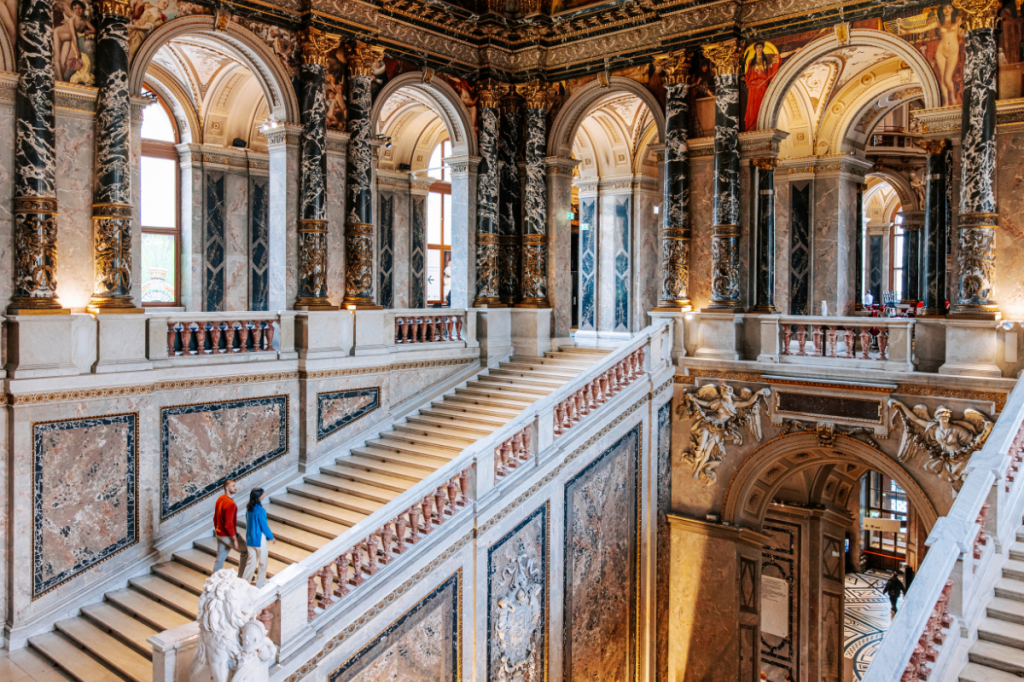
With three convention centers — Austria Center Vienna, HOFBURG Vienna, and VIECON – Vienna Congress & Convention Center — Vienna can accommodate groups as large as 29,000. What really differentiates the destination, however, is a collection of more than 250 unique venues for hosting creative off-site experiences. With historic palaces, world-renowned museums, prestigious academic institutions, and state-of-the-art contemporary spaces, planners can leverage a mix of timeless elegance and forward-thinking immersive environments.
- Prisma: Located just around the corner from VIECON in the city’s 2nd district, attendees can network beneath a kaleidoscopic glass roof before stepping outside to enjoy an outdoor garden and pond.
- University of Vienna: With more than 25 lecture halls and grand ceremonial chambers, planners can host inspiring sessions for groups ranging from 24 to 750 in the auditorium. And when attendees are ready for a break from learning, the 25,000-square-foot Arcaded Courtyard is an ideal setting for cocktail receptions.
- Mirage: Typically used as a home for burlesque dinner theater, the venue combines a carnivalesque ambiance with high-end VIP booth seating on the sides. The location is perfect for convenient evening gatherings: It’s a seven-minute walk from VIECON.
- Weltmuseum: With a backdrop of more than 400,000 ethnographical artifacts from Asia, Africa, and the Americas, planners can introduce attendees to the entire world and host private grand events for up to 400 in the Hall of Columns.
- Palais Ferstel: As the premier social gathering place of the Fin de siècle era, this venue has an extensive history of bringing people together to celebrate and converse. Planners utilize it for a wide range of programming – from lecture-style presentations for up to 418 attendees in the towering Großer Ferstelsaal to cocktail receptions for up to 300 in the opulence of the Arkadenhof room.
What defines Vienna’s venue landscape, however, isn’t just the physical space — it’s the content and purpose behind it.
For example, Das Forum, developed by the city’s urban innovation agency, is designed as a space for collaborating on solutions to climate change. Planners can book the recently-opened space for up to 170 attendees.
Building Programs Around Culinary Experiences
Recent data from IACC’s “Meeting Room of the Future” shows that 50% of meeting planners now prioritize food and beverage offerings, up from 30% two years ago, reflecting a broader shift toward experience-led programming.
In 2026, the destination is embracing the theme of “Vienna Bites: Cuisine, Culture, Character.” The year-long initiative connects planners with the city’s rich culinary history, as well as its chefs, mixologists, and coffee connoisseurs who are writing Vienna’s next chapter in gastronomy.
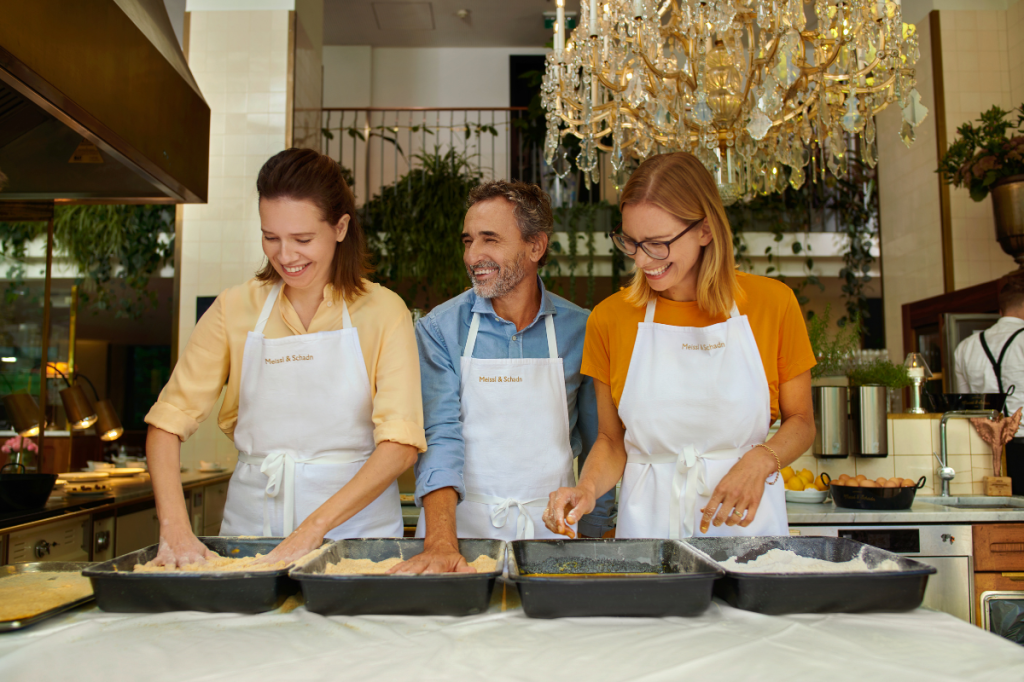
For example, attendees can experience a hands-on Wiener Schnitzel cooking course at Michelin-recommended Meissl and Schadn, or get a glimpse of one of the best wine lists in the world via a sommelier-guided journey through 60,000 bottles from four centuries at the Palais Coburg Wine Cellar. Across the city’s dining community, planners can tap into an extensive collection of food-focused experiences.
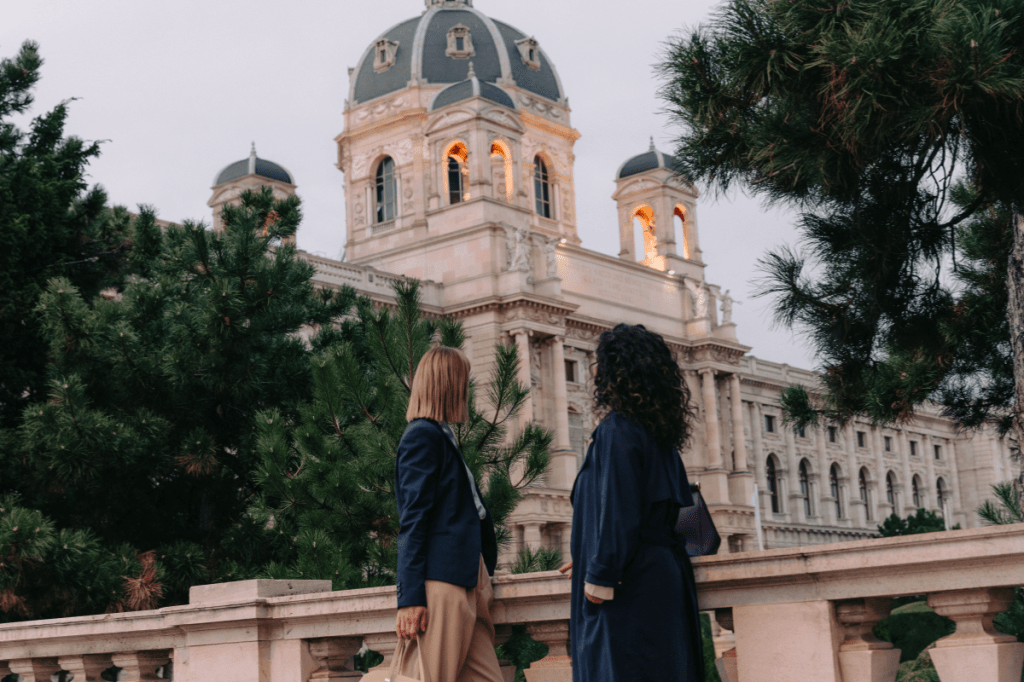
The city’s cultural institutions play a role, too. At the Kunsthistorisches Museum (Art History Museum), located on the city’s famed Ringstrasse boulevard, groups can explore the connection between food and art with specialty programs that pair with fine dining at the museum’s Cupola Hall. Elsewhere, planners can rent the Naturhistorisches Museum (the Natural History Museum) and host private dinners in the domed hall.
These experiences reinforce Vienna’s positioning as a destination where culinary programming can be integrated year-round — not just treated as an add-on.
Encouraging Attendees to Stay Longer
For many planners, choosing the right host destination begins with a simple question: Will attendees be excited enough to extend their stays before or after the conference?
In Vienna, the numbers point to a clear answer: The city set a new record for visitation in 2025, as more travelers continued to explore its music and history.
As attendees engage with the city’s world-class arts scene, they’ll experience a destination that consistently ranks highly for quality of life and visitor satisfaction. Vienna was recently named the second-most livable city by The Economist Intelligence Unit and the friendliest city in Europe by Conde Nast Traveler readers.
Planners will find a reason to smile here, too. Meeting Destination Vienna’s new partnership with the International Association of Professional Conference Organizers (IAPCO) places the city among a small group of destinations that are committed to championing innovation and advancing the global events industry.
That spirit of boundary-pushing creativity is reflected in how Vienna continues to evolve as a meetings destination. The city’s convention leaders recognize the shift in what defines a successful meeting today, and they are helping planners design experiences here that make them feel more intentional, more immersive, and more relevant to attendees.
For more information about Meeting Destination Vienna, visit https://meeting.vienna.info/en.
This content was created collaboratively by Meeting Destination Vienna (Vienna Tourist Board) and Skift’s branded content studio, SkiftX.