
Why Melbourne Is Emerging as a Safe Bet for Global Medical Meetings


Photo Caption: International Diabetes Federation-Western Pacific Region (IDF-WPR). Melbourne Convention Bureau.
Skift Take
In response to global uncertainty and pricing pressures, some medical meeting planners are prioritizing destinations that can reduce risk around attendance and engagement — and the largest city in Victoria, Australia is increasingly part of that mix, combining accessibility with a deep base of medical expertise.

Medical professionals are focused on the unique needs and nuances of their specialties, but all physicians, nurses, and healthcare practitioners share one commonality: a need to connect with peers from other corners of the world to exchange knowledge and advance patient care.
However, today’s medical meeting planners face a complicated landscape. Geopolitical tensions, rising costs, and exchange rates are creating headwinds for cross-border collaboration.
Melbourne — the capital of Victoria, Australia — is emerging as a top option that calms those headwinds while maintaining strong attendance for large, internationally focused programs.
The largest city in Australia has a long history of hosting medical professionals and advancing medical research. Over the past decade, the International Society of Thrombosis and Haemostasis, the International Society for Cell & Gene Therapy, and the International Congress of Immunology have all welcomed groups to Melbourne.
Between the spring of 2026 and 2030, Melbourne will welcome more than 44,000 attendees at 30 international medical conferences.
From addressing health inequities for Indigenous communities at the World Conference on Health Promotion to continuing to search for a cure at the World Lung Cancer Conference, the brightest minds in medicine will be tackling the toughest challenges in Melbourne.
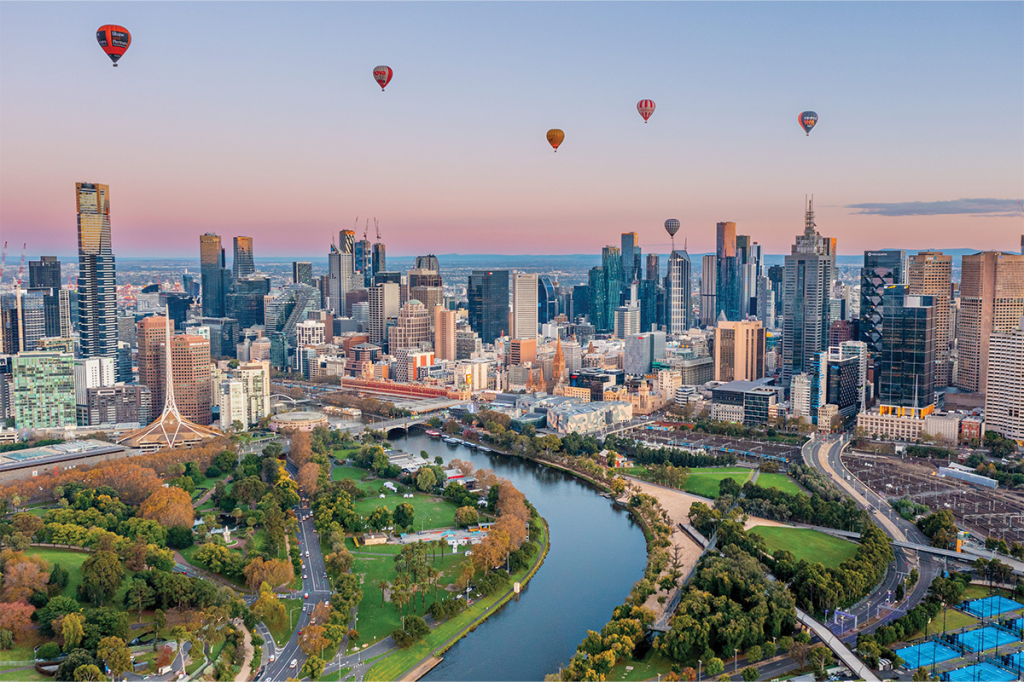
Tapping Into Melbourne’s Community of Medical Experts
Part of the reason that Melbourne is appearing on so many medical organizations’ calendars is its convenience. More than 45 airlines offer direct service from around the world to Melbourne Airport. And once attendees arrive, they have easy access to explore the city: The state-of-the-art Melbourne Convention and Exhibition Center (MCEC) is located in the center of everything, positioning groups near hotels, restaurants, and nightlife and helping some groups eliminate the need for shuttle buses.
But planners point to something more important than infrastructure: access to a concentrated base of medical expertise.
The Melbourne Biomedical Precinct, home to more than 10,000 researchers, is less than one kilometer from the MCEC. With 39 hospitals and 16 medical research institutions in the metropolitan area, Melbourne has positioned itself as a major hub in healthcare, pharmaceuticals, and biotechnology.
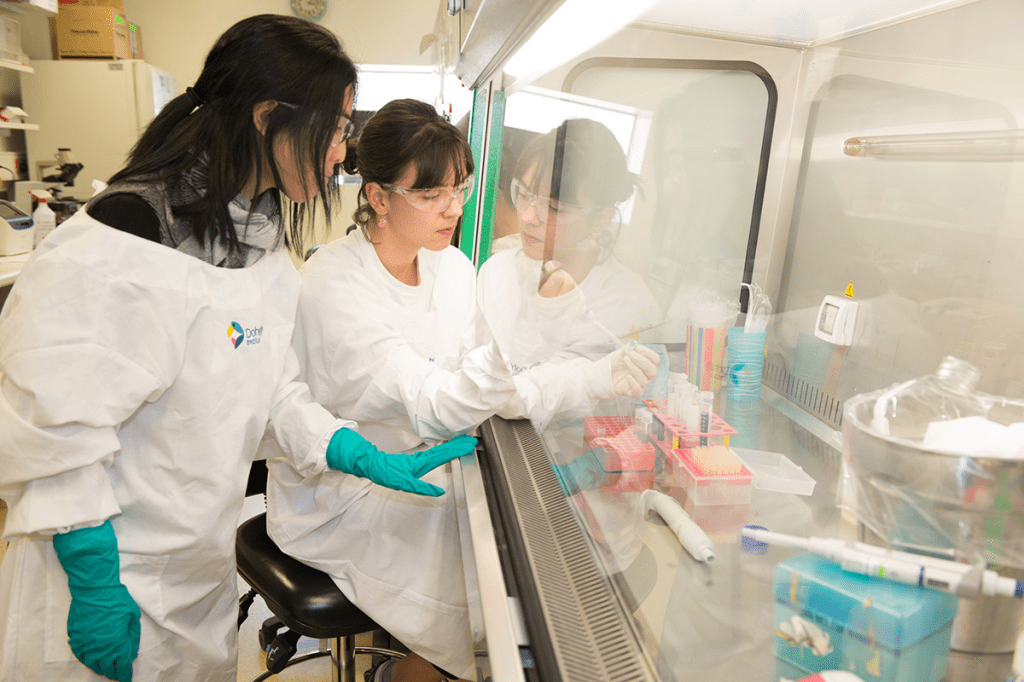
“The culture of excellence here contributes to a strong community of professionals who are both at the leading edge in research and innovation and motivated to hear the latest advancements from their peers,” Julia Swanson, CEO of Melbourne Convention Bureau, said.
That reputation as a center of medical innovation was a key selling point for organizers of the International Diabetes Federation-Western Pacific Region (IDF-WPR). The program will welcome more than 2,500 participants to Melbourne this August. One of the defining features of the experience will be “the strong integration of Melbourne’s local expertise into the international program,” Justine Cain, CEO of Diabetes Australia Group, said.
In addition to featuring local clinicians and researchers as keynote speakers and panelists, Cain said that members of the Melbourne patient community will also play a role in the Living With Diabetes education track.
“This showcases Melbourne’s diverse population and abundance of leading speakers and Australia’s leadership in integrating lived experience into health system dialogue,” Cain said. “By combining international expertise with local leadership and community perspectives, we see Melbourne not just as a host city, but as an active contributor to the experience.”
Melbourne's Attendance Advantage
In addition to filling out the stage at conferences, Melbourne’s medical community helps fill the seats.
“Local healthcare practitioners have a mandated number of professional development sessions, including medical conferences, that they must attend to continue practicing, therefore making attending these events highly beneficial,” Swanson said.
That requirement can serve as a built-in attendance base, helping de-risk events that depend on international participation. For example, the most recent edition of the Pan-Asian Consortium of Treatment and Research in ALS Conference, held in Melbourne last year, was the second-largest gathering in the field in Australian history.
Across all types of international association events, Melbourne ranks fifth in the world for average attendance, outpacing New York, London, and Paris, according to analysis of the International Congress and Convention Association’s Country & City rankings. While destination appeal still plays a role, planners say those structural advantages, including local participation and integrated expertise, are increasingly central to decision-making.
Controlling Costs
As Melbourne helps increase attendance numbers, the city helps keep overall costs down for participants.
Swanson noted that the U.S. dollar has been consistently strong against the Australian dollar. Additionally, there is no tipping expectation in Australia, which simplifies on-the-ground spending for attendees.
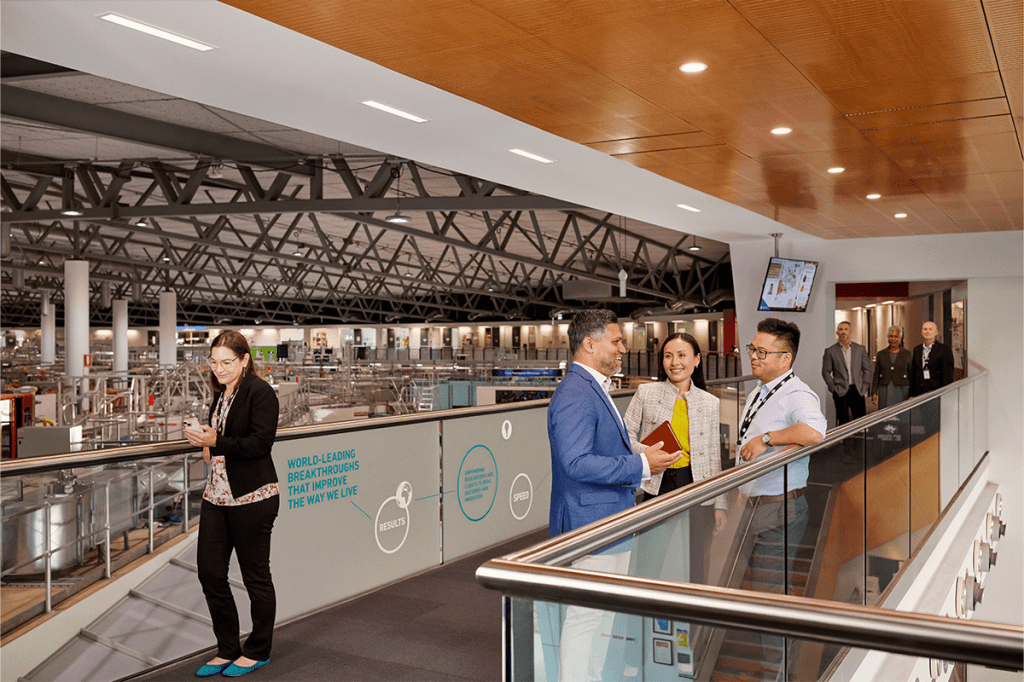
For planners, Swanson pointed to the MCEC’s all-inclusive cost structure: “You know exactly what you’re budgeting for,” she said. “This includes AV requirements, delegate catering, and in-house tech support.”
The venue’s proximity to the city center also reduces transportation costs and logistical complexity for off-site events. “For event organizers, lower costs help expand the return on investment,” Swanson said. “More predictable costs can also support stronger attendance by lowering the barrier for delegates to participate.”
A History of High-Impact Events
While medical meetings may only last for a few days, Swanson highlighted that the city is committed to helping each program leave a lasting legacy.
In 2014, for example, more than 11,700 participants from more than 170 countries convened in Melbourne for the International AIDS Conference. The program sparked policy changes in Australia, including increased funding for prevention and treatment, expanded access to anti-viral medications, and efforts to reduce stigma and discrimination.
In addition to powering medical breakthroughs, Melbourne has also played a role in fueling new approaches to medical meeting design.
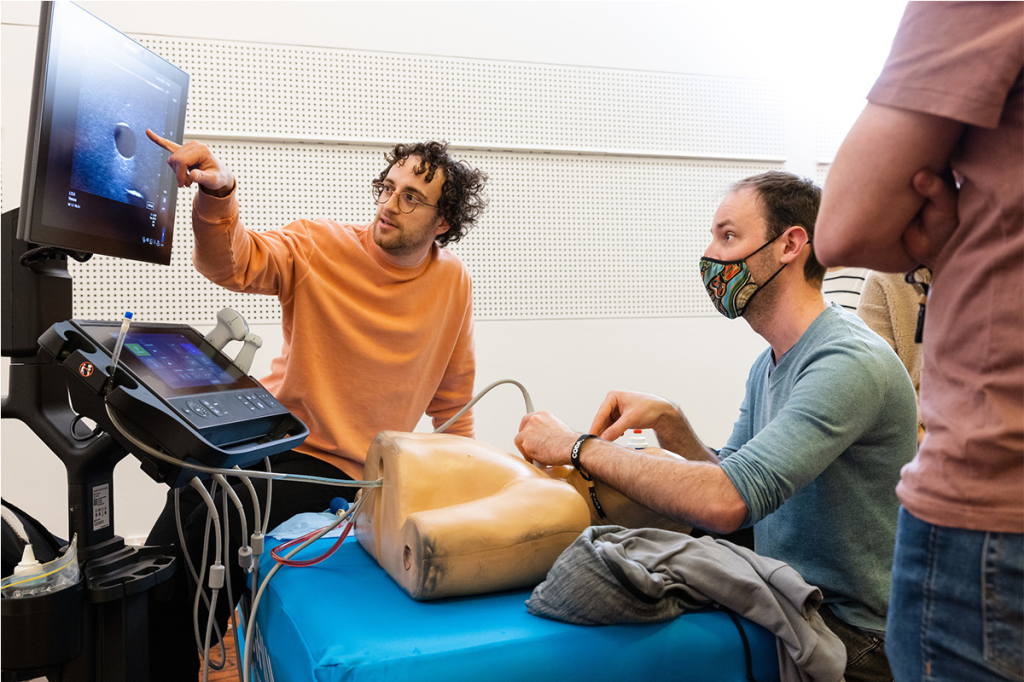
At the 2022 edition of Coda, for example, convention leaders helped plan a first-of-its-kind, carbon-neutral conference. All the food was sourced from within 100 miles of the MCEC, while coffee was served in edible cups made from vegan-friendly oats and grains.
“We do more than simply host medical meetings in Melbourne,” Swanson said. “Our convention and hospitality community is committed to raising the bar and redefining the attendee experience to create long-term impact for patients, the planet, and the future of healthcare.”
Learn more about how Melbourne can elevate your next medical program.
This content was created collaboratively by the Melbourne Convention Bureau, Business Events Australia and Skift’s branded content studio, SkiftX.